Perimenopause, the transitional phase leading up to menopause, can bring a range of experiences, including shifts in mood and emotional well-being. Many women report increased feelings of anxiety during this time, seeking ways to navigate these changes.
Rhodiola rosea is an adaptogenic herb that has garnered attention for its potential to support the body’s response to stress. This article explores what current research indicates about rhodiola for perimenopause anxiety, focusing on evidence-based insights.
Understanding Perimenopausal Anxiety
The hormonal fluctuations characteristic of perimenopause can influence various bodily systems, including those involved in mood regulation. While anxiety is a common human experience, its intensity and frequency can sometimes increase during midlife transitions. Exploring supportive strategies is a common consideration for many women navigating this phase.
Rhodiola Rosea as an Adaptogen
Rhodiola rosea is categorized as an adaptogen, a group of plants believed to help the body adapt to various stressors. This concept suggests that adaptogens may help to normalize bodily functions when faced with physical, chemical, or biological stress. The adaptogenic properties of Rhodiola rosea have been a focus of research in relation to stress response.
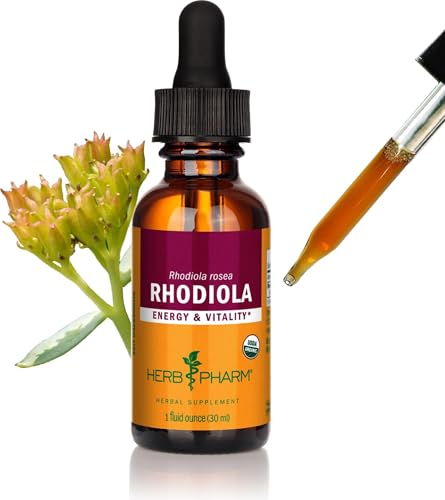
Specific compounds within Rhodiola rosea, such as salidroside, have been investigated for their potential effects. For instance, salidroside has been shown to ameliorate emotional behavior in adult mice [1]. Another study also noted the central nervous system effects of Rhodiola rosea extract containing salidroside in mice [2].

Research on Rhodiola and Anxiety
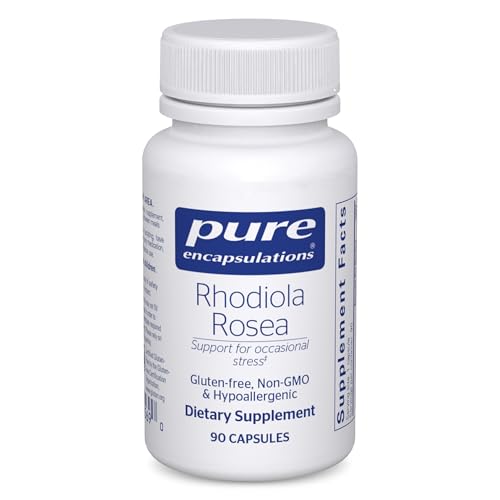
While direct studies on rhodiola for perimenopause anxiety are still emerging, some research provides insights into its potential influence on anxiety-like behaviors. For example, a study using a murine model demonstrated that Rhodiola rosea L. roots powder significantly reduced anxiety and corticosterone levels induced by chronic stress [3]. This suggests a potential role in modulating the stress response.
Other research, while not directly on anxiety, has explored the impact of Rhodiola rosea on related areas. An extract of Rhodiola rosea was found to be efficacious and well-tolerated in adults experiencing physical and cognitive deficiencies [4]. While not specifically targeting perimenopausal anxiety, these findings contribute to the broader understanding of Rhodiola rosea’s potential adaptogenic effects.
It is important to note that much of the foundational research on Rhodiola rosea’s mechanisms and effects has been conducted in animal models or in vitro. For instance, salidroside, a bioactive compound of Rhodiola rosea, was shown to ameliorate memory and emotional behavior in adult mice [1]. Additionally, Rhodiola rosea L. extract and salidroside were observed to antagonize nicotine place preference in mice [5]. While promising, these findings do not directly translate to human experiences with perimenopausal anxiety and highlight the need for more targeted human clinical trials.


Rhodiola and Hormonal Considerations in Midlife
Perimenopause is characterized by fluctuating hormone levels, particularly estrogen. Some research has explored the interaction between Rhodiola rosea and hormonal pathways. One study suggested that Rhodiola rosea might act as a natural selective estrogen receptor modulator [6]. This is an area of ongoing investigation and could be relevant for understanding its broader effects during perimenopause, though more research is needed to fully understand the implications for managing perimenopausal experiences.
It’s worth noting that a randomized, double-blind, placebo-controlled pilot study investigated a product (PREMEN-CALM®) containing Rhodiola rosea for the management of premenstrual syndrome, showing potential effects [7]. While premenstrual syndrome and perimenopause are distinct, both involve hormonal fluctuations that can influence mood and well-being, suggesting areas for further research into Rhodiola rosea’s role in women’s health.
References
- Salidroside, a Bioactive Compound of Rhodiola Rosea, Ameliorates Memory and Emotional Behavior in Adult Mice. Journal of Alzheimer’s disease : JAD, 2016
- Adaptogenic and central nervous system effects of single doses of 3% rosavin and 1% salidroside Rhodiola rosea L. extract in mice. Phytotherapy research : PTR, 2007
- Rhodiola rosea L. roots powder strongly reduces anxiety and corticosterone level induced by chronic stress in a murine model. Journal of pharmaceutical health care and sciences, 2026
- Efficacy and tolerability of a Rhodiola rosea extract in adults with physical and cognitive deficiencies. Advances in therapy, 2007
- Rhodiola rosea L. extract and its active compound salidroside antagonized both induction and reinstatement of nicotine place preference in mice. Psychopharmacology, 2014
- Pause menopause with Rhodiola rosea, a natural selective estrogen receptor modulator. Phytomedicine : international journal of phytotherapy and phytopharmacology, 2016
- Effects of the PREMEN-CALM® in the Management of the Premenstrual Syndrome: A Randomized, Double-Blind, Placebo-Controlled Pilot Study. Journal of dietary supplements, 2024
These statements have not been evaluated by the Food and Drug Administration. This information is not intended to diagnose, treat, cure, or prevent any disease. Content is for informational purposes only and is not medical advice; consult a qualified healthcare provider before starting any supplement. As an Amazon Associate we earn from qualifying purchases.
