Navigating perimenopause often brings a range of new experiences, and many women seek information about supportive approaches. Among the botanicals that sometimes come up in discussions, rhodiola rosea is occasionally mentioned in relation to its potential impact on well-being during this transitional phase.
This article aims to provide an evidence-based overview of what current research suggests about rhodiola rosea and its connection, if any, to hormonal balance during perimenopause. It’s important to note that direct research specifically on rhodiola’s effects on perimenopausal hormones is limited.
Understanding Perimenopause and Hormonal Shifts
Perimenopause is the natural transition period leading up to menopause, characterized by fluctuating hormone levels, particularly estrogen and progesterone. These shifts can contribute to various physical and emotional changes. While these hormonal fluctuations are a normal part of aging, they can be challenging for many women.
The body’s stress response system, often referred to as the HPA (hypothalamic-pituitary-adrenal) axis, plays a role in how the body manages stress and can be influenced by hormonal changes. An integrative approach to HPA axis function involves understanding how various factors can impact its balance [1].
Rhodiola Rosea: An Adaptogen and Its General Mechanisms
Rhodiola rosea is classified as an adaptogen, a group of botanicals traditionally believed to help the body adapt to various stressors. Adaptogens are thought to support the body’s ability to maintain balance in the face of physical, chemical, or biological challenges [2].
The mechanisms by which adaptogens exert their effects are complex and are still being researched. Rather than directly altering hormone levels, adaptogens are generally understood to support the body’s overall resilience and stress response. This indirect support is where the potential link to well-being during perimenopause might lie, though direct evidence for hormonal balancing is not established for rhodiola.

Other adaptogenic plants, like Ashwagandha (Withania somnifera), have been studied for their potential to enhance healthspan and support stress management [3][4]. However, it’s crucial to remember that findings for one adaptogen do not automatically apply to another, and each botanical has its unique profile and research base.

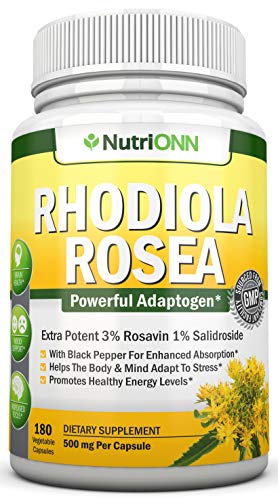
The Current Evidence: Rhodiola and Perimenopausal Hormones
Currently, there is limited direct research specifically examining the impact of rhodiola rosea on hormonal balance in women navigating perimenopause. Most of the research on rhodiola focuses on its potential effects on stress, fatigue, and mood in a general population, rather than its direct influence on estrogen, progesterone, or other reproductive hormones during this specific life stage.
The idea that rhodiola might support women during perimenopause often stems from its general adaptogenic properties, suggesting it might help the body cope with the stresses associated with hormonal fluctuations, rather than directly regulating the hormones themselves. However, this is an area that requires dedicated research to draw any firm conclusions.
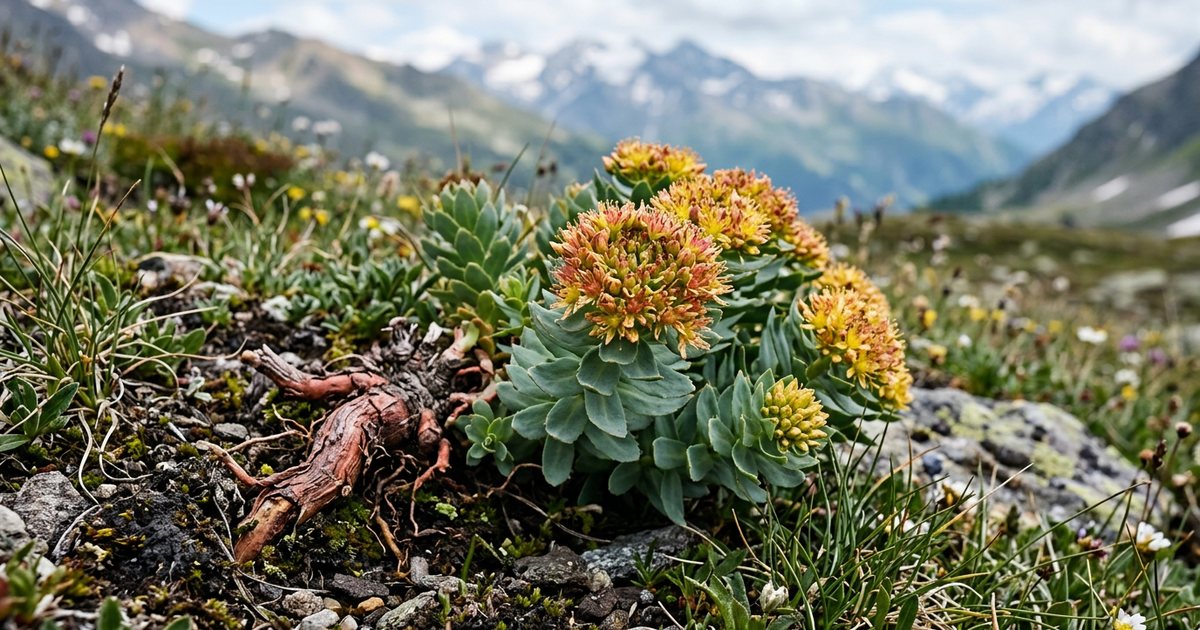
It is important to distinguish between general stress support and direct hormonal regulation. While rhodiola may be explored for its potential to support the body’s stress response, this does not equate to it having a direct role in balancing perimenopausal hormones.

What the Research Doesn’t Yet Show
At this time, there is no robust scientific evidence to suggest that rhodiola rosea directly balances or significantly alters the levels of reproductive hormones (like estrogen or progesterone) during perimenopause. Claims about rhodiola ‘balancing hormones’ in perimenopause are not supported by the current scientific literature.
No published study has established a dose or protocol for using rhodiola with the intent of influencing perimenopausal hormones. Further, research on the long-term effects of rhodiola, particularly in the context of hormonal changes in midlife, is still developing. It is essential to rely on evidence-based information and avoid extrapolating findings from other populations or conditions to perimenopausal women seeking hormonal support.
Distinguishing Rhodiola from Other Botanicals
It is also important to differentiate rhodiola rosea from other botanicals that are sometimes discussed in relation to women’s health. For instance, plants like maca (Lepidium meyenii) have been studied for their potential in certain aspects of women’s health, though their mechanisms are distinct from rhodiola [5].
Each botanical has its own unique phytochemical profile and physiological effects. Generalizing the benefits or mechanisms of action from one plant to another, even within the adaptogen category, can be misleading. For example, while Ashwagandha has been reviewed for various benefits, including stress management, its potential teratogenic or abortifacient properties have also been systematically reviewed, highlighting the need for specific research on each plant [6].
References
- An Integrative Approach to HPA Axis Dysfunction: From Recognition to Recovery. The American journal of medicine, 2025
- Nutritional and botanical interventions to assist with the adaptation to stress. Alternative medicine review : a journal of clinical therapeutic, 1999
- Enhancing healthspan with Ashwagandha (Withania somnifera): a comprehensive review of its multifaceted geroprotective benefits. Biogerontology, 2025
- Ayurvedic Stress Management: Balancing Mind * Body in Men * Women. Advances in mind-body medicine, 2025
- Smallanthus sonchifolius and Lepidium meyenii – prospective Andean crops for the prevention of chronic diseases. Biomedical papers of the Medical Faculty of the University Palacky, Olomouc, Czechoslovakia, 2003
- A Systematic and Ethnobotanical Review of Ashwagandha’s (Withania Somnifera) Teratogenic and Abortifacient Potentials. Phytotherapy research : PTR, 2025
These statements have not been evaluated by the Food and Drug Administration. This information is not intended to diagnose, treat, cure, or prevent any disease. Content is for informational purposes only and is not medical advice; consult a qualified healthcare provider before starting any supplement. As an Amazon Associate we earn from qualifying purchases.
