Perimenopause is a transitional phase in a woman’s life leading up to menopause, often characterized by fluctuating hormones and a range of new experiences. Many women navigating this period report increased feelings of stress and fatigue, which can significantly impact daily well-being.
Understanding potential supportive approaches, such as the use of adaptogenic herbs like rhodiola rosea, can be part of a broader strategy for managing these changes. This article explores the current understanding of rhodiola’s role for rhodiola perimenopause stress fatigue.
Understanding Perimenopausal Stress and Fatigue
The hormonal shifts during perimenopause, particularly the fluctuating levels of estrogen and progesterone, can influence the body’s stress response system. These changes may contribute to heightened perceptions of stress, making it more challenging to cope with daily demands. Alongside this, many women experience persistent fatigue that isn’t always relieved by rest, impacting energy levels and overall quality of life.
Recognizing these common experiences is the first step toward finding effective strategies for support. While lifestyle adjustments like diet, exercise, and stress reduction techniques are foundational, some women explore complementary options like adaptogens.
What is Rhodiola Rosea and How Might It Work?
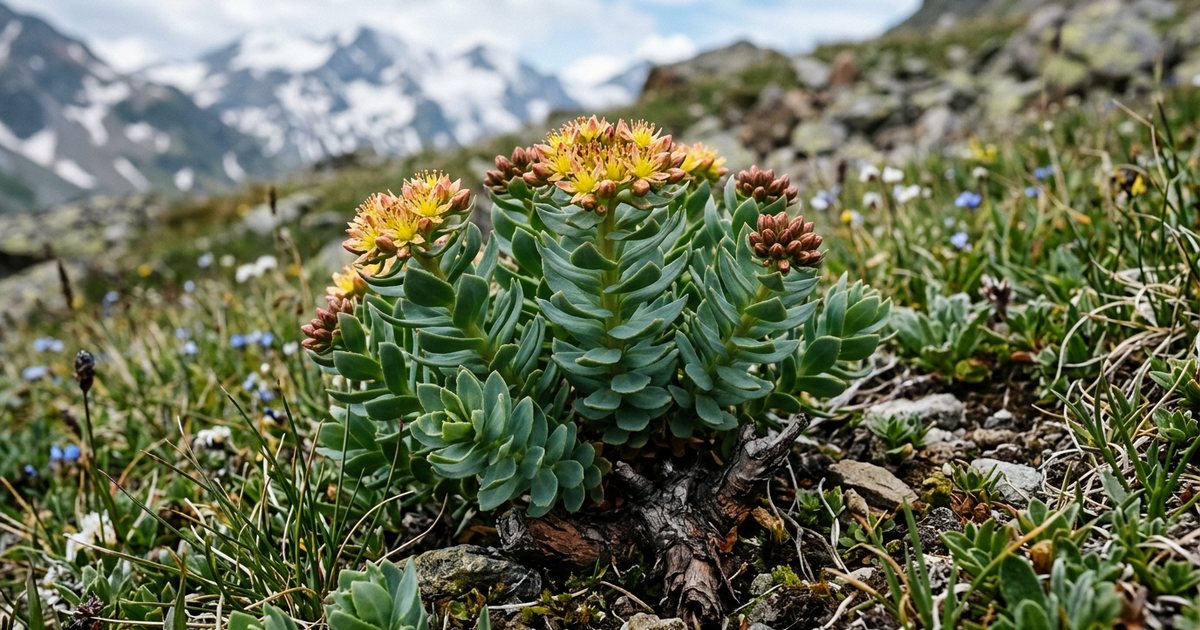
Rhodiola rosea, often referred to as ‘golden root,’ is an adaptogenic herb that has been traditionally used in various cultures. Adaptogens are a class of plants believed to help the body adapt to stress, promoting balance without overstimulating or inhibiting normal bodily functions. The primary active compounds in rhodiola are thought to be rosavins and salidroside.
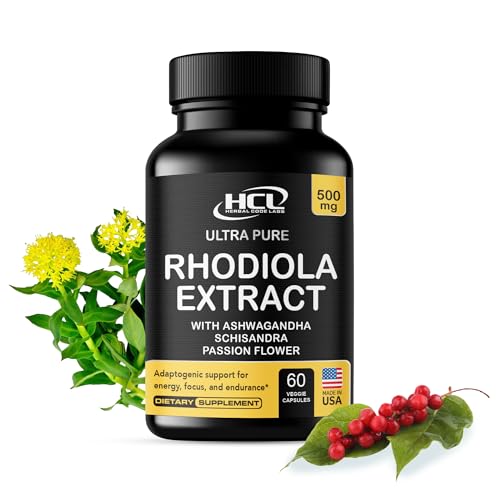
While the exact mechanisms are complex and still being researched, rhodiola is thought to influence several physiological pathways. These may include modulating neurotransmitter levels, such as serotonin and dopamine, and supporting the body’s response to stressors. The concept behind adaptogens is to help the body maintain equilibrium when faced with physical, chemical, or biological challenges.
Rhodiola Rosea and Stress Reduction
The adaptogenic properties of rhodiola rosea are often highlighted in discussions about stress management. The idea is that by helping the body adapt to stress, rhodiola may contribute to a sense of calm and resilience. While more specific research on rhodiola’s impact on perimenopausal stress is needed, its general adaptogenic actions are the basis for its consideration in this context.
Some research suggests that plant-derived extracts can offer protective qualities against stressors. For example, specific plant-derived extracts have shown potential in protecting human skin from intrinsic and extrinsic stressors, based on in vitro and clinical evidence [1]. While this particular study focuses on skin, it broadly supports the concept that plant compounds can interact with the body’s stress response systems. The adaptogenic framework suggests a similar protective mechanism for overall physiological stress.
Addressing Fatigue with Rhodiola Rosea
Fatigue is a common and often debilitating aspect of perimenopause. Rhodiola rosea has been explored for its potential to help with fatigue, particularly in situations involving stress or demanding conditions. The proposed mechanism for its anti-fatigue effects often centers on its ability to support cellular energy production and reduce the impact of stress on physical and mental stamina.

While direct, targeted studies on rhodiola specifically for perimenopausal fatigue are still developing, its general reputation as an adaptogen that can support endurance and reduce perceived exertion is relevant. The goal is to help the body maintain energy levels and reduce the feeling of exhaustion that can accompany prolonged stress during this life stage.
Evidence Strength and Considerations for Perimenopausal Use
The evidence supporting rhodiola rosea for general stress and fatigue is considered moderate. While there are studies exploring its effects, much of the research has not specifically focused on women in perimenopause or the unique hormonal fluctuations present during this time. Therefore, while the general adaptogenic benefits may be relevant, more targeted research is needed to fully understand its specific impact on rhodiola perimenopause stress fatigue.
When considering rhodiola, it’s important to remember that individual responses can vary. Factors such as dosage, standardization of the extract, and individual health status can all influence outcomes. It is always advisable to discuss any new supplements with a healthcare professional, especially during a hormonally dynamic period like perimenopause.


References
- Plant-Derived Extracts Plus Vitamin E and/or Aloe Vera Protect Against Intrinsic/Extrinsic Stressor in Human Skin: In Vitro and Clinical Evidence. Frontiers in bioscience (Landmark edition), 2023
These statements have not been evaluated by the Food and Drug Administration. This information is not intended to diagnose, treat, cure, or prevent any disease. Content is for informational purposes only and is not medical advice; consult a qualified healthcare provider before starting any supplement. As an Amazon Associate we earn from qualifying purchases.
