Rhodiola Rosea for Shift Workers: What the Night-Shift Trials Found
Two trials tested rhodiola in people working nights. Tired physicians did better for two weeks; nursing students on shifts did better on placebo.

Two trials tested rhodiola in people working nights. Tired physicians did better for two weeks; nursing students on shifts did better on placebo.
A 2022 systematic review of 10 exercise studies found rhodiola generally favorable for perceived exertion and performance, with no obvious adverse reactions.
Rhodiola’s adaptogen reputation centers on stress, not classic anxiety disorders. Here’s what the controlled trials measured, and where the evidence stops.
When to take rhodiola rosea, why morning dosing is standard, how food affects absorption, and why evening doses can disturb sleep.
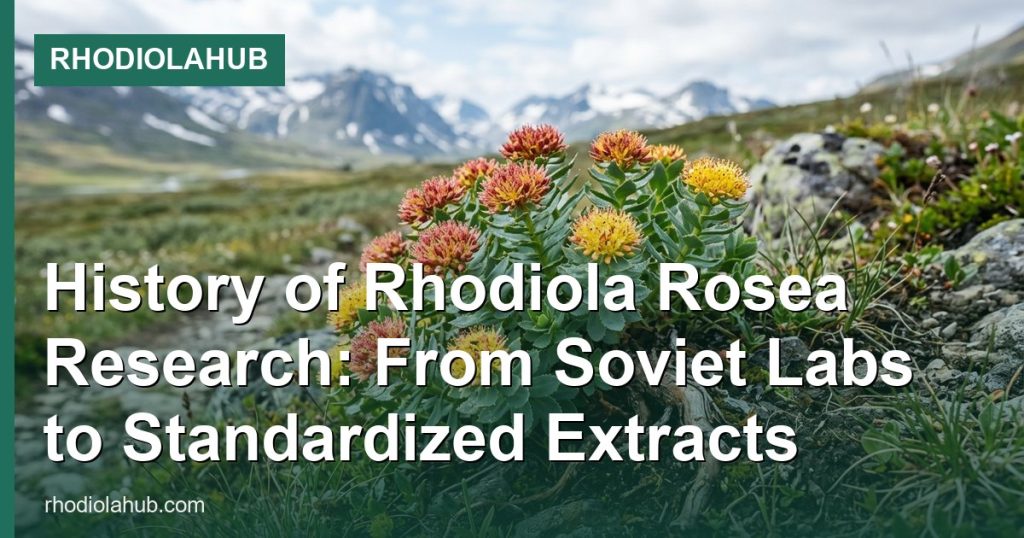
The history of rhodiola rosea, from Siberian traditional use to Soviet-era research and the modern controlled trials that followed.
How to find vegan and vegetarian rhodiola rosea supplements, which capsule and excipient details matter, and what certifications confirm.

Why sustainable sourcing matters for rhodiola rosea, how wild harvesting pressure affects supply and quality, and what to look for.
What the evidence suggests about rhodiola rosea and sleep quality during perimenopause, and why taking it late in the day can backfire.
How the adaptogenic mechanism of rhodiola rosea is understood, which pathways are implicated, and what that means practically in midlife.
An evidence-based look at rhodiola rosea and cortisol during perimenopause, what the measurements showed, and how to read those results.

How rhodiola rosea may interact with antidepressants, why serotonergic overlap matters, and what to raise with a prescriber beforehand.
What research suggests about rhodiola rosea for perimenopausal anxiety, how it compares with other options, and when to seek clinical care.