Navigating the hormonal shifts of perimenopause can bring a range of new or intensified experiences, including premenstrual syndrome (PMS) and premenstrual dysphoric disorder (PMDD). These conditions are characterized by a cluster of emotional and physical changes that occur in the days or weeks leading up to menstruation, often impacting daily life.
Many women seek complementary approaches to support their well-being during this time. Rhodiola rosea is an adaptogenic herb that has garnered interest for its potential to help the body adapt to stress. This article will explore the current, albeit limited, evidence regarding rhodiola rosea’s potential role in managing PMS and PMDD symptoms during perimenopause.
Understanding PMS and PMDD in Midlife
PMS encompasses a variety of symptoms, from mood swings and irritability to bloating and fatigue, which typically resolve shortly after menstruation begins. PMDD is a more severe form, characterized by significant mood disturbances such as intense sadness, anxiety, or anger that can severely disrupt daily functioning and relationships. These conditions are linked to the menstrual cycle and the fluctuating levels of reproductive hormones, particularly estrogen and progesterone [1].
As women enter perimenopause, the transition phase leading to menopause, hormonal fluctuations become more erratic. This instability can sometimes exacerbate existing PMS or PMDD symptoms or even trigger new ones [2]. The hypothalamic-pituitary-gonadal (HPG) axis, which regulates hormone production, plays a crucial role in mood regulation, and its function can be influenced by these hormonal shifts [3].
The experience of perimenopausal symptoms, including those related to mood, is widespread, with studies highlighting their prevalence in diverse populations [4]. The intricate interplay between ovarian activity and mental health is an area of ongoing research, with animal models and studies in women providing insights into these connections [1].

How Hormonal Changes Influence Mood and PMS/PMDD
During perimenopause, the ovaries gradually produce less estrogen and progesterone, but this decline isn’t linear; hormone levels can fluctuate widely from day to day or month to month. These unpredictable shifts can impact neurotransmitter systems in the brain, such as serotonin and GABA, which are involved in mood regulation.
Estrogen, in particular, has a complex relationship with mood. It can influence serotonin activity and has been explored in the context of mood support in women [5]. The fluctuating nature of estrogen during perimenopause can therefore contribute to the emotional volatility often experienced during this time, potentially intensifying PMS or PMDD symptoms [1]. Research continues to explore the mechanisms by which hormonal changes influence mental well-being, including the role of steroid hormone metabolic networks [6].

Rhodiola Rosea: A Look at Its Potential Mechanisms
Rhodiola rosea is classified as an adaptogen, meaning it is believed to help the body adapt to various stressors, whether physical, chemical, or biological. Its potential benefits are thought to stem from its influence on several physiological systems, including the nervous system and the HPG axis, which is involved in stress response and hormone regulation [3].
While direct research on rhodiola rosea specifically for PMS or PMDD in perimenopausal women is limited, its traditional use and some preliminary studies suggest it may help support the body’s response to stress and fatigue. This general adaptogenic effect might indirectly contribute to a more stable mood and energy levels, which could be beneficial for those experiencing premenstrual symptoms amplified by perimenopausal changes.
Current Evidence for Rhodiola Rosea and PMS/PMDD in Perimenopause: Limited Findings
It is important to state that specific, high-quality research directly investigating the efficacy of rhodiola rosea for PMS or PMDD symptoms specifically in perimenopausal women is currently limited. The existing body of evidence often focuses on general stress reduction or fatigue, rather than these specific menstrual cycle-related mood disorders within the perimenopausal context.
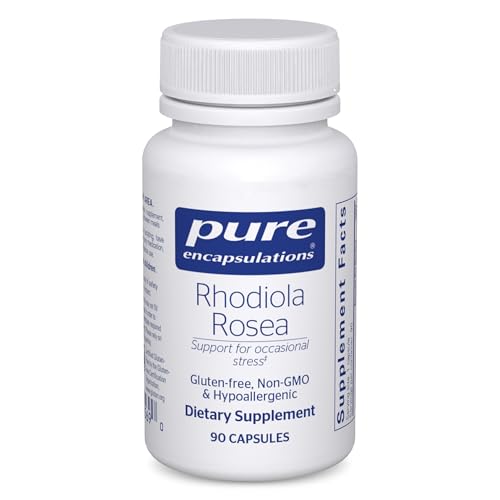
While some studies have explored the broader impact of hormonal changes on mental health [1], and others examine traditional herbal approaches for perimenopausal symptoms [6], direct evidence for rhodiola rosea in this specific application is still emerging. Therefore, any potential benefits of rhodiola rosea for PMS or PMDD in perimenopause are currently speculative and require further rigorous investigation. Women considering rhodiola rosea for these concerns should be aware that the evidence base is not robust.
Considering Rhodiola Rosea: Important Considerations
If you are considering rhodiola rosea for PMS or PMDD symptoms during perimenopause, it is crucial to approach this with realistic expectations due to the limited specific evidence. While it may offer general support for stress adaptation, its direct impact on the complex hormonal and neurological factors underlying PMS and PMDD in midlife is not well-established.
Always choose high-quality supplements from reputable manufacturers. The appropriate dosage and duration of use can vary, and it’s essential to follow product guidelines or consult with a healthcare professional. Rhodiola rosea has measurable interaction potential with prescription drugs. In a randomized cross-over study, 14 days of a commercial rhodiola product cut CYP2C9 activity in healthy volunteers by 21%, measured using losartan, a blood pressure medication, as the probe drug; the authors flagged that as potentially relevant for narrow-therapeutic-index CYP2C9 drugs such as warfarin[7]. Two rhodiola constituents, rhodiosin and rhodionin, also inhibit CYP2D6[8], the enzyme that clears many antidepressants. Glucose-lowering effects have so far been shown only in animal models, so an interaction with diabetes medication is theoretical rather than documented. A discussion with a doctor or pharmacist is worth having before starting any new supplement regimen.


References
- The influence of ovarian activity and menopause on mental health: Evidence from animal models and women. Physiology & behavior, 2025
- Premenstrual symptoms across the lifespan in an international sample: data from a mobile application. Archives of women’s mental health, 2022
- The hypothalamic-pituitary-gonadal axis in mood disorders. Endocrinology and metabolism clinics of North America, 2002
- Perimenopausal symptoms in Sri Lankan women. The Ceylon medical journal, 1999
- A guide to the treatment of depression in women by estrogens. Climacteric : the journal of the International Menopause Society, 2011
- Exploring the effective substances and mechanisms of action of ChaiHu ShuGan San in treating perimenopausal syndrome based on in vivo exposure profiles and steroid hormone metabolic networks. Journal of ethnopharmacology, 2026
- Effect of commercial Rhodiola rosea on CYP enzyme activity in humans. European Journal of Clinical Pharmacology, 2016
- Two potent cytochrome P450 2D6 inhibitors found in Rhodiola rosea. Pharmazie, 2013
These statements have not been evaluated by the Food and Drug Administration. This information is not intended to diagnose, treat, cure, or prevent any disease. Content is for informational purposes only and is not medical advice; consult a qualified healthcare provider before starting any supplement. As an Amazon Associate we earn from qualifying purchases.
