As women navigate the physiological shifts of perimenopause, many explore various supplements to support their well-being. Rhodiola rosea, an adaptogenic herb, has garnered interest for its potential to support the body’s response to stress and fatigue [1][2]. While generally considered well-tolerated, understanding its potential side effects is an important aspect of informed use.
This article provides an evidence-based overview of potential rhodiola side effects management, focusing on considerations relevant for women in midlife. Our aim is to offer practical insights, grounded in available research, to help you make informed choices about incorporating Rhodiola rosea into your routine.
Commonly Reported Rhodiola Rosea Side Effects
Clinical studies on Rhodiola rosea have generally indicated a favorable safety profile. However, like any supplement, some individuals may experience side effects. The most frequently reported mild side effects associated with Rhodiola rosea supplementation include insomnia, irritability, and anxiety [3]. These effects are often dose-dependent and can sometimes be managed by adjusting the timing or amount of the supplement.
It’s important to note that while these effects have been observed, the overall incidence in studies is often low. For instance, in a study investigating Rhodiola rosea for stress-related fatigue, the incidence of side effects was comparable between the Rhodiola group and the placebo group, with the most common being dizziness and dry mouth, though not statistically significant between groups [4]. This suggests that for many, Rhodiola rosea is well-tolerated.


Managing Insomnia and Sleep Disturbances
One of the more commonly cited potential rhodiola side effects is insomnia, particularly when taken later in the day [3]. Rhodiola rosea is sometimes noted for its stimulating properties, which may contribute to wakefulness in some individuals. For perimenopausal women already experiencing sleep challenges, this can be a significant concern.

To help manage potential sleep disturbances, consider taking Rhodiola rosea earlier in the day, such as with breakfast or lunch. This allows the body more time to process the compounds before bedtime. If you find that even morning doses affect your sleep, it may be beneficial to reduce the dosage or temporarily discontinue use to observe the effect on your sleep patterns. Keeping a sleep diary can also help you identify any correlations between supplementation and sleep quality.
Addressing Irritability and Anxiety
Some individuals have reported feelings of irritability or increased anxiety after taking Rhodiola rosea [3]. While Rhodiola rosea has also been studied for its potential to support mood and reduce anxiety symptoms, individual responses can vary [3]. Perimenopause itself can be a time of fluctuating moods and increased anxiety for many women, making it important to distinguish between supplement-induced effects and other factors.

If you experience increased irritability or anxiety, a primary strategy is to evaluate your dosage. Starting with the lowest effective dose and gradually increasing it while monitoring your response can help you find a comfortable level. If these symptoms persist or worsen, it may indicate that Rhodiola rosea is not suitable for your individual physiology, or that a different adaptogen might be more appropriate. Consulting with a healthcare provider can provide personalized guidance.
Gastrointestinal Considerations
While less commonly reported than sleep disturbances or irritability, some individuals may experience mild gastrointestinal upset, such as stomach discomfort or nausea, when taking Rhodiola rosea. These effects are often transient and may be related to taking the supplement on an empty stomach.
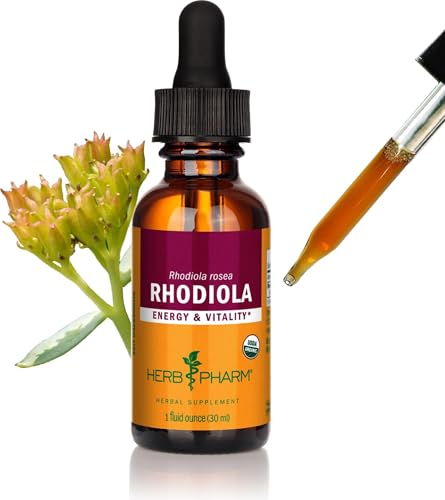
To mitigate potential gastrointestinal discomfort, consider taking Rhodiola rosea with food. This can help buffer the digestive system and improve tolerance. Ensuring adequate hydration throughout the day may also be helpful. If persistent or severe gastrointestinal issues arise, it is advisable to discontinue use and consult a healthcare professional.
Dosage and Timing for Managing Side Effects
The appropriate dosage of Rhodiola rosea can vary depending on the specific extract, the concentration of active compounds (rosavins and salidroside), and individual needs. Clinical studies have utilized a range of dosages, often between 200 mg and 600 mg per day of standardized extracts [2][4]. Starting with a lower dose and observing your body’s response is a prudent approach to minimize potential rhodiola side effects.
As mentioned, timing is also a key factor in side effect management. Taking Rhodiola rosea earlier in the day can help prevent sleep disturbances [3]. If you are sensitive to stimulating effects, dividing your daily dose into smaller amounts, taken in the morning and early afternoon, might also be an option, though always ensure the last dose is well before bedtime.
References
- Plant Adaptogens-History and Future Perspectives. Nutrients, 2021
- Rosenroot (Rhodiola rosea): traditional use, chemical composition, pharmacology and clinical efficacy. Phytomedicine : international journal of phytotherapy and phytopharmacology, 2010
- The Effects of Rhodiola rosea L. Extract on Anxiety, Stress, Cognition and Other Mood Symptoms. Phytotherapy research : PTR, 2015
- A randomised, double-blind, placebo-controlled, parallel-group study of the standardised extract shr-5 of the roots of Rhodiola rosea in the treatment of subjects with stress-related fatigue. Planta medica, 2009
These statements have not been evaluated by the Food and Drug Administration. This information is not intended to diagnose, treat, cure, or prevent any disease. Content is for informational purposes only and is not medical advice; consult a qualified healthcare provider before starting any supplement. As an Amazon Associate we earn from qualifying purchases.
