Rhodiola Rosea Clinical Trials: What Human Studies Actually Show (2026)
What human clinical trials of rhodiola rosea actually found, how large and rigorous they were, and which outcomes held up to scrutiny.

What human clinical trials of rhodiola rosea actually found, how large and rigorous they were, and which outcomes held up to scrutiny.

When to take rhodiola rosea for perimenopausal symptoms, why morning dosing dominates, and how timing interacts with sleep and appetite.

How rhodiola rosea is thought to influence the stress response at a cellular level, and what laboratory findings can and cannot prove.

The side effects to watch for with rhodiola rosea in perimenopause, how common they are in trials, and how dose changes affect them.

What the evidence suggests about rhodiola rosea and stress-related weight gain in perimenopause, and why cortisol claims need care.

Who should avoid rhodiola rosea in perimenopause, which conditions and medications call for caution, and the warning signs worth knowing.

What to know about combining rhodiola rosea and alcohol, including shared metabolic pathways and effects on sleep and next-day fatigue.

How rhodiola rosea is thought to support nervous system balance during perimenopause, and what the human research does and does not show.

How rhodiola rosea goes from harvested root to finished capsule, where quality is won or lost, and which steps affect marker compounds.

What the evidence suggests about rhodiola rosea and immune support during perimenopause, and why autoimmune conditions call for caution.
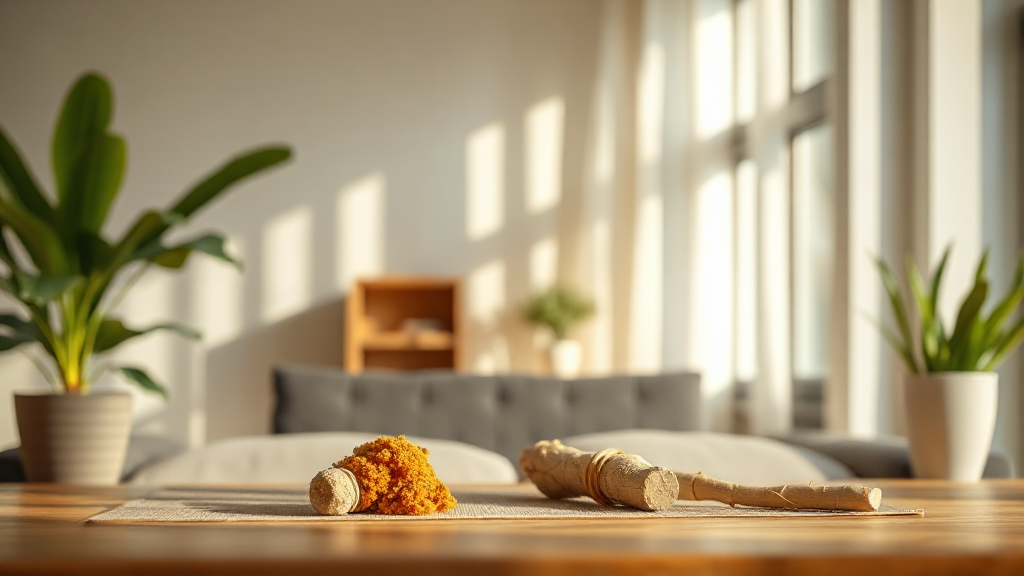
How rhodiola rosea and ginseng compare as adaptogens for midlife well-being, including energy effects, evidence base, and side effects.

What research suggests about rhodiola rosea for exercise recovery and stamina in midlife women, and how to judge whether it is helping.