Navigating perimenopause often involves exploring various approaches to support well-being. Rhodiola rosea is an adaptogenic herb that some women consider during this transitional phase.
However, like any supplement, understanding its potential contraindications and warnings is crucial. This article provides evidence-based information to help you make informed decisions about rhodiola rosea use, especially as you approach or experience perimenopause.
What is Rhodiola Rosea?
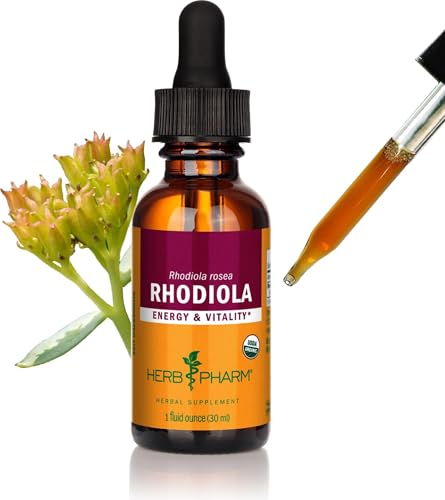
Rhodiola rosea is an herb traditionally used for its adaptogenic properties. Adaptogens are substances believed to help the body adapt to various stressors. It is sometimes explored for its potential role in supporting cognitive function [1].
While some individuals in perimenopause may explore rhodiola for various aspects of their well-being, it’s important to approach its use with a clear understanding of its profile, including any warnings and contraindications.
General Safety Profile of Rhodiola Rosea
The safety of herbal remedies, including those explored for menopause, is a significant area of research [2]. While rhodiola rosea is generally considered to have a moderate safety profile for many individuals, specific conditions and individual sensitivities warrant careful consideration.

It’s important to note that much of the available research on rhodiola focuses on its efficacy in various areas, but less specifically on its contraindications in the perimenopausal population. Therefore, a cautious approach, considering general herb-drug interactions and individual health status, is always recommended.
Potential Interactions and Contraindications to Consider
While no published source lists contraindications for rhodiola rosea specific to perimenopause, it is crucial to consider general principles of herbal supplement use and potential interactions. For instance, some research highlights the importance of safety studies for other herbal extracts in specific populations, such as pregnant women [3], underscoring the need for careful consideration in any population with unique physiological changes, like those in perimenopause.
When considering any new supplement, including rhodiola, it is always advisable to discuss it with a healthcare provider, especially if you are taking prescription medications. This is because herbs can sometimes interact with medications, potentially altering their effectiveness or increasing the risk of side effects. While not directly about rhodiola, studies on other supplements like ashwagandha emphasize safety evaluations in various populations [4][5][6], highlighting the broader need for individual assessment.
Individuals with existing medical conditions, particularly those affecting the cardiovascular system, central nervous system, or endocrine system, should exercise particular caution. Although direct evidence for rhodiola contraindications in these specific conditions is not provided here, the general recommendation for any herbal supplement is to proceed with medical guidance if you have underlying health concerns.

Rhodiola Rosea and Other Herbal Supplements
Some individuals in perimenopause may use multiple herbal supplements. It’s important to be aware that combining different herbs can sometimes lead to additive effects or interactions. For example, while not related to rhodiola, studies have evaluated nutraceutical supplements for hair growth [7], illustrating the complexity of multi-ingredient products.
Always inform your healthcare provider about all supplements, herbs, and medications you are taking to ensure there are no unintended interactions. This comprehensive approach helps ensure your safety and well-being.
Importance of Individualized Assessment in Perimenopause
Perimenopause is a highly individualized experience. What might be suitable for one person may not be for another. Factors such as overall health, existing medical conditions, and current medications all play a role in determining the appropriateness of any supplement, including rhodiola rosea.
The current evidence base for rhodiola contraindications specifically within the perimenopausal population is moderate. Therefore, personal consultation with a healthcare professional is paramount to weigh potential benefits against any individual risks. They can provide guidance tailored to your unique health profile and help you make informed choices.


References
- Nootropic Herbs, Shrubs, and Trees as Potential Cognitive Enhancers. Plants (Basel, Switzerland), 2023
- Efficacy of Herbal Remedies in Menopause: Bridging Traditional Medicine and Modern Therapeutics. Current drug research reviews, 2025
- Efficacy and safety of Ashwagandha (Withania somnifera) root extract in pregnant women: a prospective, randomized, comparative, open-label, 12-week study. Frontiers in global women’s health, 2026
- Ashwagandha ( Withania somnifera ) Root Extract Improves General Health in Elderly Men and Women: A Prospective, Randomized, Double-Blind, Placebo-Controlled, Efficacy and Safety Study. Phytotherapy research : PTR, 2026
- Efficacy and Safety of Ashwagandha (Withania somnifera) Root Extract for Improvement of Sexual Health in Healthy Women: A Prospective, Randomized, Placebo-Controlled Study. Cureus, 2022
- Efficacy and safety of eight-week therapy with Ashwagandha root extract in improvement of sexual health in healthy men: Findings of a prospective, randomized, double-blind, placebo-controlled study. Journal of Ayurveda and integrative medicine, 2025
- A Six-Month, Randomized, Double-Blind, Placebo-Controlled Study Evaluating the Safety and Efficacy of a Nutraceutical Supplement for Promoting Hair Growth in Women With Self-Perceived Thinning Hair. Journal of drugs in dermatology : JDD, 2018
These statements have not been evaluated by the Food and Drug Administration. This information is not intended to diagnose, treat, cure, or prevent any disease. Content is for informational purposes only and is not medical advice; consult a qualified healthcare provider before starting any supplement. As an Amazon Associate we earn from qualifying purchases.
