As women navigate the changes of midlife and perimenopause, many seek natural ways to support their well-being. Rhodiola rosea is an adaptogenic herb that has garnered interest, but questions about its long-term safety, especially for this specific population, are important to address.
This article aims to provide an evidence-based overview of what is currently known about rhodiola long term safety. We will examine available research to help you make informed decisions, always emphasizing the importance of discussing any new supplement with a healthcare professional.
Understanding Rhodiola Rosea: A Brief Overview
Rhodiola rosea is a plant whose roots have been used in traditional practices, particularly in Eastern Europe and Asia. It is often categorized as an adaptogen, a group of herbs believed to help the body adapt to various stressors. While its potential benefits are a topic of ongoing research, understanding its general profile is a good starting point before discussing long-term use.
The active compounds in Rhodiola rosea are thought to contribute to its effects. However, the exact mechanisms are still being explored, and research on its comprehensive impact, particularly over extended periods in specific populations like perimenopausal women, is still developing.
What Does ‘Long-Term’ Mean in Research?
When discussing ‘long-term safety’ for a supplement like Rhodiola rosea, it’s important to consider what duration constitutes ‘long-term’ in scientific studies. Many clinical trials, especially for herbal supplements, often run for weeks to a few months. Studies extending for six months or longer are less common but are crucial for understanding sustained effects and potential cumulative impacts.

The available evidence for Rhodiola rosea often comes from studies with varying durations. While some research has looked at its effects, the duration of use is a key factor when considering how applicable the findings are to truly ‘long-term’ daily consumption.
Evidence on Rhodiola Rosea Safety from Clinical Studies
When evaluating the safety of Rhodiola rosea, we look to clinical trials. Some research has investigated Rhodiola, though no published trial has studied its long-term safety specifically in perimenopausal women. For instance, a system review of randomized controlled trials on treating chronic stable angina by rhodiola was published in 2014 [1]. While this review looked at rhodiola, it focused on a specific health condition and may not directly address long-term general safety for perimenopausal women.
Other available evidence, such as research on the mechanism of volatile oil of Rhodiola tangutica against hypoxia-induced pulmonary hypertension in rats, provides insights into its biological activity but is preclinical and not directly transferable to human long-term safety for Rhodiola rosea [2]. It is important to note that much of the research on Rhodiola’s effects and safety has not specifically targeted healthy perimenopausal women over extended periods.

Potential Considerations for Long-Term Rhodiola Rosea Use
While specific long-term safety data for Rhodiola rosea in perimenopausal women is moderate, general safety considerations apply. Like any supplement, individual responses can vary. Some individuals might experience mild side effects, even with short-term use, though generally, Rhodiola is considered to be well-tolerated in many studies.
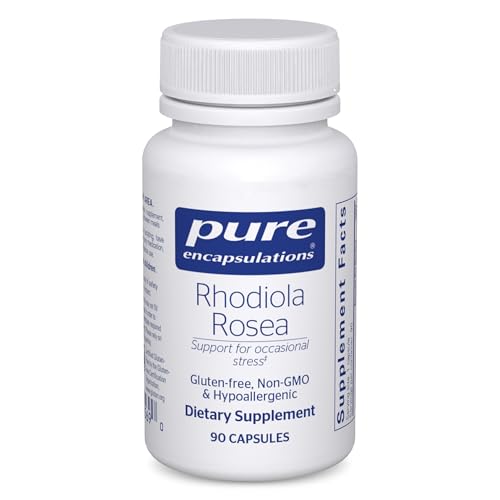
The quality and standardization of Rhodiola rosea products can also vary significantly. Choosing reputable brands that provide clear information on their product’s composition and purity is a sensible approach. Consistent quality is essential when considering any supplement for extended periods. It’s also important to remember that the absence of reported adverse events in shorter studies does not definitively confirm safety for indefinite long-term use, especially in specific populations.
Interactions with Medications and Health Conditions
Women in midlife may be taking various medications for existing health conditions or to manage menopausal symptoms. It is crucial to consider potential interactions between Rhodiola rosea and prescription drugs. Rhodiola interactions have been studied, and the picture is genuinely mixed. Whole-root R. rosea extracts have shown CYP450 and MAO inhibition in laboratory work, while isolated salidroside tested at realistic blood levels showed no CYP, MAO or OATP interaction risk. Because rosavin and salidroside content varies widely between products, interaction risk is hard to predict from the label alone[3][4]. For example, some herbs can affect blood sugar levels, blood pressure, or the metabolism of certain medications.
Discussing all current medications and health conditions with a healthcare provider before starting Rhodiola rosea, especially if planning long-term use, is highly recommended. This allows for personalized guidance based on your unique health profile and helps to identify any potential risks or contraindications.


References
- [A system review of randomized controlled trials on treating chronic stable angina by rhodiola]. Zhongguo Zhong xi yi jie he za zhi Zhongguo Zhongxiyi jiehe zazhi = Chinese journal of integrated traditional and Western medicine, 2014
- The Mechanism of Volatile Oil of Rhodiola tangutica against Hypoxia-Induced Pulmonary Hypertension in Rats Based on RAS Pathway. BioMed research international, 2022
- In Vitro Evaluation of the Potential for Drug Interactions by Salidroside. Nutrients, 2023
- The effect of salidroside, an active component of Rhodiola rosea, on the metabolic activity of rat and human cytochromes P450 in preclinical studies. Pharmacological reports : PR, 2026
These statements have not been evaluated by the Food and Drug Administration. This information is not intended to diagnose, treat, cure, or prevent any disease. Content is for informational purposes only and is not medical advice; consult a qualified healthcare provider before starting any supplement. As an Amazon Associate we earn from qualifying purchases.
