Perimenopause is a significant transitional phase for women, often marked by a variety of changes as the body prepares for menopause. While stress management is a well-known area of interest for rhodiola rosea, many women wonder about its broader potential to support general perimenopause symptoms.
This article aims to explore the current evidence regarding rhodiola rosea’s role beyond stress, specifically looking at its potential relevance for women navigating the diverse experiences of perimenopause. We will review available research to provide a balanced perspective on its possible applications during this stage of life.
Understanding Perimenopause: A Time of Change
Perimenopause is the period leading up to menopause, characterized by fluctuating hormone levels, primarily estrogen. These hormonal shifts can contribute to a wide array of physical and emotional changes, which vary significantly from one woman to another. Common experiences can include changes in menstrual cycles, sleep disturbances, mood shifts, and various physical sensations.
Navigating these changes often involves seeking strategies to support overall well-being and maintain quality of life. Many women explore different approaches, including dietary adjustments, lifestyle modifications, and botanical supplements, to help manage the natural progression of perimenopause.
Rhodiola Rosea: A Brief Overview
Rhodiola rosea, also known as ‘golden root,’ is an adaptogenic herb that has been traditionally used in various cultures. Adaptogens are a class of botanicals believed to help the body adapt to various stressors, promoting a sense of balance.
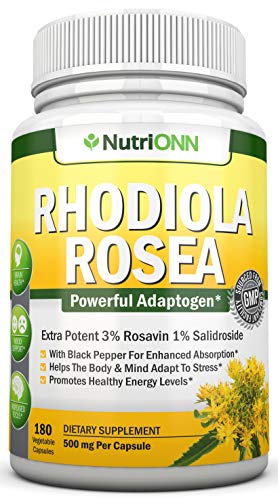
While its adaptogenic properties are often highlighted in discussions about stress and fatigue, the plant contains several bioactive compounds, including rosavins and salidrosides, which are thought to contribute to its observed effects. Understanding its general mechanisms of action can provide context when considering its potential relevance for the broader landscape of perimenopausal symptoms.

Exploring Rhodiola Rosea for General Perimenopause Symptoms
While research specifically on rhodiola rosea’s isolated effects on the full spectrum of general perimenopausal symptoms is still developing, some studies have explored its use in combination with other botanicals for menopausal symptom relief.
One randomized, double-blind, placebo-controlled study investigated the effectiveness of a combination of Actaea racemosa L. and Rhodiola rosea L. for relieving menopausal symptoms. The findings suggested that this combination was more effective than placebo in providing relief from menopausal symptoms [1]. It is important to note that this study examined a combination product, meaning the observed effects cannot be solely attributed to rhodiola rosea alone. However, it does suggest a potential supportive role for rhodiola rosea within a broader botanical approach to menopausal well-being.
Further research is needed to fully understand the specific contributions of rhodiola rosea when used on its own for the diverse array of general perimenopausal symptoms. The moderate strength of current evidence indicates that while there is some promising indication, more dedicated studies are required to draw definitive conclusions about its isolated efficacy for this purpose.

Potential Mechanisms and Broader Well-being
Although direct evidence for rhodiola rosea’s impact on every perimenopausal symptom is not extensive, its known adaptogenic properties might offer indirect support for overall well-being during this time. By potentially helping the body manage stress and fatigue, rhodiola rosea could contribute to a more balanced internal environment, which might indirectly influence how women experience various perimenopausal changes.

Many perimenopausal symptoms, such as sleep disturbances and mood fluctuations, can be exacerbated by stress. If rhodiola rosea helps support the body’s stress response, it could, in theory, contribute to a greater sense of calm and resilience, which are beneficial during periods of hormonal transition. However, these are theoretical considerations based on its general adaptogenic profile and not direct findings related to perimenopause specifically.
Safety and Considerations for Midlife Women
When considering any botanical supplement, including rhodiola rosea, for general perimenopausal support, safety is a primary concern, especially for women in midlife who may have other health considerations or be taking medications. While generally considered well-tolerated for short-term use in studies, individual responses can vary.
It is always important to discuss any new supplement with a healthcare provider, particularly if you have existing health conditions, are pregnant or breastfeeding, or are taking prescription medications. This ensures that rhodiola rosea is appropriate for your individual health profile and helps to avoid potential interactions.

References
- Actaea racemosa L. Is More Effective in Combination with Rhodiola rosea L. for Relief of Menopausal Symptoms: A Randomized, Double-Blind, Placebo-Controlled Study. Pharmaceuticals (Basel, Switzerland), 2020
These statements have not been evaluated by the Food and Drug Administration. This information is not intended to diagnose, treat, cure, or prevent any disease. Content is for informational purposes only and is not medical advice; consult a qualified healthcare provider before starting any supplement. As an Amazon Associate we earn from qualifying purchases.
