Perimenopause is a transitional phase leading up to menopause, characterized by fluctuating hormone levels that can lead to a variety of changes, including shifts in menstrual cycle regularity. Many women seek ways to navigate these changes and support their well-being during this time.
Rhodiola rosea is an adaptogenic herb that has garnered interest for its potential to help the body adapt to stress. As women explore options to support their health during perimenopause, questions naturally arise about its possible role in areas like menstrual cycle patterns. This article will review the current understanding of rhodiola rosea and its potential connection to menstrual cycle regularity in perimenopause, based on available evidence.
Understanding Perimenopausal Menstrual Cycle Changes
During perimenopause, the ovaries gradually produce less estrogen and progesterone, leading to hormonal fluctuations. These shifts can manifest as changes in the menstrual cycle, such as cycles becoming shorter, longer, heavier, lighter, or more irregular. This variability is a normal part of the perimenopausal transition as the body prepares for menopause.
The experience of perimenopausal cycle changes can vary significantly among individuals. Some women may notice subtle shifts, while others may experience more pronounced irregularities that impact their daily lives. Managing these changes often involves understanding the underlying hormonal shifts and exploring supportive strategies.
What is Rhodiola Rosea and How Might it Work?
Rhodiola rosea is a perennial plant native to cold, mountainous regions of Europe and Asia. It is classified as an adaptogen, a substance believed to help the body resist various stressors, whether physical, chemical, or biological. The active compounds in rhodiola rosea, such as rosavins and salidroside, are thought to contribute to its adaptogenic properties.

The mechanisms by which adaptogens like rhodiola rosea may exert their effects are complex. They are thought to influence the body’s stress response systems, including the hypothalamic-pituitary-adrenal (HPA) axis, which plays a role in hormone regulation. By potentially modulating the stress response, rhodiola rosea may indirectly support overall physiological balance.


Current Evidence on Rhodiola Rosea and Menstrual Cycle Regularity in Perimenopause
When considering the specific influence of rhodiola rosea on menstrual cycle regularity during perimenopause, it is important to review the available research carefully. Currently, direct, high-quality studies specifically investigating rhodiola rosea’s impact on menstrual cycle regularity in perimenopausal women are limited.
One pilot study explored the effects of a proprietary blend containing Rhodiola rosea root extract (along with gamma-aminobutyric acid, Vitex agnus-castus, vitamin B6, and melatonin) on premenstrual syndrome (PMS) symptoms. This randomized, double-blind, placebo-controlled study observed that participants receiving the blend showed improvements in mood and affective symptoms within the group, but did not differ significantly from the placebo group [1]. While this study did not directly assess menstrual cycle regularity in perimenopause, it suggests a potential influence on aspects of the menstrual experience. However, it’s crucial to note that this was a multi-ingredient blend, and the specific contribution of rhodiola rosea to the observed outcomes, particularly regarding cycle regularity, cannot be isolated from this study. Furthermore, PMS is distinct from perimenopausal cycle irregularity.

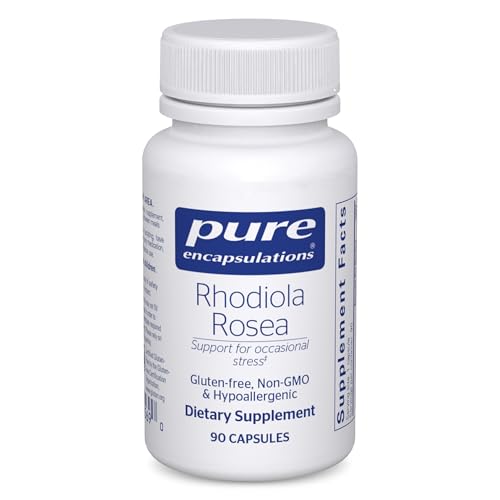
The existing evidence base for rhodiola rosea specifically targeting menstrual cycle regularity in perimenopause is considered limited. More dedicated research focusing on this particular population and outcome is needed to draw definitive conclusions. The general adaptogenic properties of rhodiola rosea suggest a potential for indirect support of overall well-being, which might, in turn, contribute to a more balanced physiological state, but this is speculative in the context of perimenopausal cycle regularity.
Considerations for Women in Perimenopause
Navigating perimenopause involves understanding the natural changes occurring in the body. While rhodiola rosea is generally considered to have a good safety profile for many individuals, its direct role in influencing menstrual cycle regularity during this specific life stage requires further investigation.
Women experiencing significant or concerning changes in their menstrual cycles during perimenopause should discuss these with a healthcare professional. Lifestyle factors such as stress management, nutrition, and regular physical activity are also important considerations for overall well-being during this transition.
References
- Effects of the PREMEN-CALM® in the Management of the Premenstrual Syndrome: A Randomized, Double-Blind, Placebo-Controlled Pilot Study. Journal of dietary supplements, 2024
These statements have not been evaluated by the Food and Drug Administration. This information is not intended to diagnose, treat, cure, or prevent any disease. Content is for informational purposes only and is not medical advice; consult a qualified healthcare provider before starting any supplement. As an Amazon Associate we earn from qualifying purchases.
