Ready to buy? Check current prices on Amazon and compare deals before you decide.
As women navigate the often-complex landscape of perimenopause, many seek ways to support their well-being through this transitional phase. Rhodiola rosea, an adaptogenic herb, has garnered interest for its potential role in helping the body adapt to various stressors.
When considering rhodiola rosea, understanding potential dosages is a common question. This article aims to provide an evidence-based overview of rhodiola dosage considerations, particularly for those experiencing perimenopause symptoms, emphasizing a cautious and personalized approach.
Understanding Rhodiola Rosea and Perimenopause
Perimenopause is a natural transition period leading up to menopause, characterized by fluctuating hormone levels that can contribute to a range of experiences, including shifts in mood, energy levels, and sleep patterns. Many women seek non-pharmacological approaches to support their body’s balance during this time.
Rhodiola rosea is recognized as an adaptogen, a classification of herbs thought to help the body adapt to physical, chemical, and environmental stressors. While research on rhodiola specifically for perimenopause is ongoing, its general adaptogenic properties are what draw interest for women navigating this stage of life.


General Rhodiola Dosage Considerations
Determining an optimal rhodiola dosage can be complex, as individual responses can vary. Factors such as the specific rhodiola extract used, its standardization (e.g., to rosavins and salidrosides), and individual body chemistry can all play a role.
It’s important to note that without specific studies on rhodiola dosage for perimenopause symptoms, general recommendations for rhodiola use are often drawn from research on stress, fatigue, and mood support[1][2]. These general insights can provide a starting point for discussion with a healthcare provider.
Starting Points and Titration for Perimenopause
When considering any new supplement, a ‘start low and go slow’ approach is generally prudent. This involves beginning with the lowest effective dose and gradually increasing it, if necessary and well-tolerated, while carefully observing your body’s response. This method allows you to assess individual sensitivity and find what feels most appropriate for you.
For rhodiola, common dosages explored in general adaptogen research often fall within a range[1][2]. However, it is crucial to understand that these are general observations and not specific recommendations for perimenopause. The goal is to find a balance that supports well-being without undesirable effects.
Given the lack of specific rhodiola dosage studies for perimenopause, it is not possible to provide concrete dosage recommendations backed by evidence for this specific population. Any consideration of rhodiola for perimenopause should be a careful, personalized discussion with a healthcare professional.
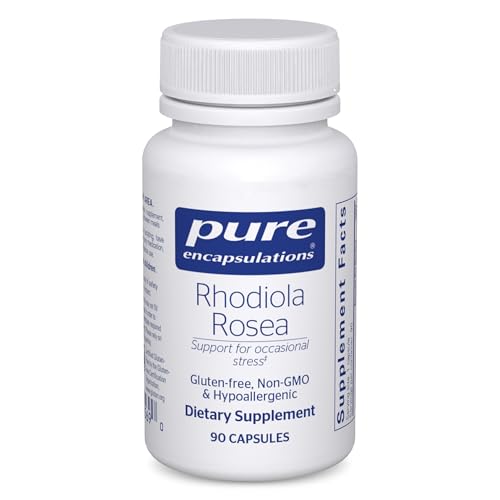

Factors Influencing Individual Response
Several individual factors can influence how one responds to rhodiola rosea, including age, weight, overall health status, and the presence of other medications or supplements. These variables highlight why a personalized approach to dosage is so important, especially during a time of hormonal fluctuation like perimenopause.
The quality and standardization of the rhodiola product are also significant. Reputable brands typically standardize their extracts to key active compounds like rosavins and salidrosides. The concentration of these compounds can vary between products, affecting their potential impact. Always check product labels carefully[3].
Monitoring Your Response and Adjusting Dosage
If you choose to incorporate rhodiola rosea into your routine, carefully monitoring your body’s response is key. Pay attention to changes in your energy levels, mood, sleep quality, and any other perimenopausal experiences you are tracking. Keep a journal to note how you feel at different dosages.
If you experience any uncomfortable side effects, it’s important to reduce the dosage or discontinue use and consult with your healthcare provider. Adjusting dosage should always be done cautiously and in consultation with a medical professional who can provide guidance tailored to your specific health profile.
References
- A randomised, double-blind, placebo-controlled, parallel-group study of the standardised extract shr-5 of the roots of Rhodiola rosea in the treatment of subjects with stress-related fatigue. Planta Med, 2009
- Clinical trial of Rhodiola rosea L. extract SHR-5 in the treatment of mild to moderate depression. Nord J Psychiatry, 2007
- The quality and safety of Rhodiola rosea supplements on the U.S. market: An analysis of biomarkers, heavy metals, and pesticide residues. PLoS One, 2026
These statements have not been evaluated by the Food and Drug Administration. This information is not intended to diagnose, treat, cure, or prevent any disease. Content is for informational purposes only and is not medical advice; consult a qualified healthcare provider before starting any supplement. As an Amazon Associate we earn from qualifying purchases.
