Navigating perimenopause often brings a range of changes, and for some women, managing body weight can become more challenging. Stress, in particular, is a factor that can influence weight, and the hormonal shifts of midlife may further complicate this relationship.
Many women seek natural approaches to support their well-being during this time. Rhodiola rosea is an herb sometimes considered for stress support, and we’ll explore what current evidence suggests regarding its potential connection to stress-related weight management during perimenopause.
Understanding Stress and Weight in Midlife
The perimenopausal transition involves fluctuating hormone levels that can impact various bodily systems. Alongside these hormonal changes, many women experience increased stress levels, which can influence appetite, metabolism, and fat distribution.
Stress can affect the body in complex ways, potentially impacting hormonal balance and contributing to changes in body weight. While direct research on rhodiola’s impact on perimenopausal stress-related weight gain is limited, understanding the general relationship between stress and weight is a foundational step.
How Stress May Influence Body Weight
When the body experiences stress, it releases hormones like cortisol. Sustained elevated levels of stress hormones can potentially influence various physiological processes, including those related to metabolism and fat storage. Some research indicates a correlation between psychological and hormonal status in obese patients, highlighting the intricate connection between stress and body weight [1].

While this general understanding exists, it’s important to recognize that the specific mechanisms and individual responses to stress can vary significantly. Factors like diet, activity levels, genetics, and overall lifestyle all play a role in body weight management.
Rhodiola Rosea and Stress Support
Rhodiola rosea is an adaptogenic herb, meaning it is traditionally thought to help the body adapt to various stressors. While it is often discussed in the context of stress and fatigue, the direct evidence linking rhodiola to stress-related weight management, especially in perimenopausal women, is not extensive.
It is important to differentiate rhodiola from other adaptogens. For example, some studies have explored the impact of ashwagandha root extract on body weight management in adults experiencing chronic stress [2]. Ashwagandha has also been investigated for its potential role in aging and obesity [3]. However, these findings pertain to ashwagandha, not rhodiola rosea, and should not be extrapolated. The evidence for rhodiola’s specific role in stress-related weight gain is still developing.


What the Research Suggests for Rhodiola and Weight Gain
Currently, there is limited direct research specifically investigating rhodiola rosea’s influence on stress-related weight gain in women navigating perimenopause. While rhodiola is sometimes considered for its general stress-modulating properties, drawing a direct link to weight changes due to stress requires more specific study.

Much of the research on weight management and natural compounds focuses on various botanicals. For instance, studies have explored the pharmacological properties of Aralia elata var. mandshurica [4] or the remedial prospective of Hippophae rhamnoides Linn. (Sea Buckthorn) [5]. These examples illustrate the diverse landscape of botanical research, but they do not provide evidence for rhodiola rosea’s role in stress-related weight gain.
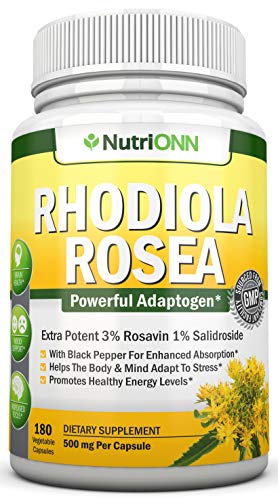
At this time, we cannot conclude that rhodiola rosea definitively helps with stress-related weight gain in perimenopause. The existing evidence is not robust enough to support such a claim, and more targeted research is needed in this specific area.
Considering Overall Well-being in Perimenopause
Managing stress and supporting healthy body weight during perimenopause often involves a multi-faceted approach. This typically includes balanced nutrition, regular physical activity, adequate sleep, and effective stress-management techniques. These foundational lifestyle practices are generally considered important for overall health during this life stage.
While specific evidence for rhodiola rosea in stress-related weight gain during perimenopause is limited, focusing on comprehensive well-being strategies can be a valuable approach. Consulting with a healthcare provider can help tailor a personalized plan that addresses individual needs and concerns during perimenopause.
References
- [The correlation of the psychological and hormonal status in obese patients]. Problemy endokrinologii, 1990
- Body Weight Management in Adults Under Chronic Stress Through Treatment With Ashwagandha Root Extract: A Double-Blind, Randomized, Placebo-Controlled Trial. Journal of evidence-based complementary & alternative medicine, 2017
- Ashwagandha withanolides, Withaferin-A, and Withanone for natural interventions in aging and obesity. Mechanisms of ageing and development, 2025
- Aralia elata var. mandshurica (Rupr. & Maxim.) J.Wen: An overview of pharmacological studies. Phytomedicine : international journal of phytotherapy and phytopharmacology, 2016
- Remedial Prospective of Hippophae rhamnoides Linn. (Sea Buckthorn). ISRN pharmacology, 2012
These statements have not been evaluated by the Food and Drug Administration. This information is not intended to diagnose, treat, cure, or prevent any disease. Content is for informational purposes only and is not medical advice; consult a qualified healthcare provider before starting any supplement. As an Amazon Associate we earn from qualifying purchases.
