Perimenopause is a significant life stage for women, often accompanied by fluctuating hormones and increased stress. For some, this stress can manifest in changes to eating patterns, sometimes leading to what’s described as stress-related eating or increased cravings for highly palatable foods.
Understanding potential supportive strategies for navigating these changes is important. Rhodiola rosea is an adaptogenic herb that has garnered interest for its potential role in stress management. This article will explore the limited evidence regarding rhodiola rosea and its possible connection to stress-related eating habits during perimenopause.
Understanding Stress and Eating Habits in Midlife
The connection between stress and eating is complex. Research suggests that stress can influence appetite-related hormones and food cravings [1]. For example, higher cortisol levels, a hormone associated with stress, have been linked to changes in food cravings and weight over time [1]. Both cortisol and ghrelin, another hormone involved in appetite, have been observed in relation to highly palatable snack intake in laboratory settings [2].
During periods of perceived stress, individuals may experience changes in their eating behaviors, sometimes leaning towards hedonic eating tendencies [3]. This can involve consuming foods that are enjoyable and comforting, rather than solely driven by hunger. These responses can be observed across different populations, including adolescent females predisposed to obesity [4].

Perimenopause and Stress: A Unique Landscape
Perimenopause brings its own set of physiological and psychological shifts, which can intensify stress experiences. Hormonal fluctuations during this time may contribute to mood changes, sleep disturbances, and increased perceived stress, potentially impacting eating behaviors. While the direct interplay between perimenopausal hormonal changes, stress, and eating habits is an area of ongoing research, managing stress effectively during this transition is often a priority for overall well-being.
Rhodiola Rosea: An Adaptogen for Stress Support
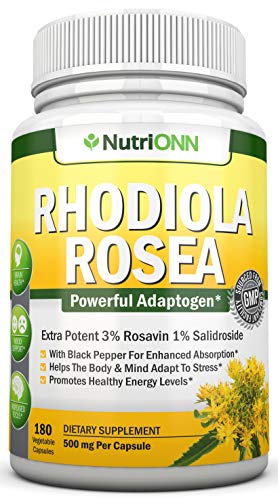
Rhodiola rosea is classified as an adaptogen, a category of herbs believed to help the body adapt to various stressors. Its active compounds, such as salidroside, are thought to contribute to its effects. While rhodiola rosea is often discussed in the context of stress response, the evidence specifically linking it to stress-related eating in humans, particularly during perimenopause, is limited and largely preliminary.
Some research has explored the effects of salidroside, an active component of Rhodiola rosea extract, in animal models of binge eating. One study in rats suggested an effect of salidroside on binge eating behavior [5]. However, it is crucial to understand that findings in animal models do not directly translate to human experiences or therapeutic recommendations. Other adaptogens, such as Ashwagandha (Withania somnifera), have shown some promise in supporting body weight management in adults under chronic stress [6] and influencing cognition and mood [7], highlighting the broader field of adaptogenic research in stress response [8]. However, these studies are not on Rhodiola rosea itself.

At present, direct human clinical trials specifically investigating rhodiola rosea’s influence on stress-related eating habits in perimenopausal women are scarce. The existing evidence is foundational and primarily from animal studies or general adaptogen research, not specific to this population or outcome.


Considerations for Incorporating Rhodiola Rosea
Given the limited evidence, rhodiola rosea should not be considered a definitive solution for stress-related eating during perimenopause. However, for those exploring complementary approaches to stress management, it may be an herb to discuss with a healthcare provider. The focus of rhodiola rosea’s potential benefit is primarily on supporting the body’s general response to stress, which in turn may indirectly influence eating patterns for some individuals.
It is important to remember that a holistic approach to managing stress-related eating in perimenopause often involves a combination of strategies. These may include stress reduction techniques like mindfulness or meditation, regular physical activity, adequate sleep, and a balanced dietary pattern. Rhodiola rosea, if considered, would be a supportive element within a broader wellness plan, not a standalone intervention.
References
- Stress, cortisol, and other appetite-related hormones: Prospective prediction of 6-month changes in food cravings and weight. Obesity (Silver Spring, Md.), 2017
- Food craving, cortisol and ghrelin responses in modeling highly palatable snack intake in the laboratory. Physiology & behavior, 2019
- Long-term hair cortisone and perceived stress are associated with long-term hedonic eating tendencies in patients with obesity. Psychoneuroendocrinology, 2025
- Stress and eating responses in adolescent females predisposed to obesity: A pilot and feasibility study. Appetite, 2022
- Effect of salidroside, active principle of Rhodiola rosea extract, on binge eating. Physiology & behavior, 2010
- Body Weight Management in Adults Under Chronic Stress Through Treatment With Ashwagandha Root Extract: A Double-Blind, Randomized, Placebo-Controlled Trial. Journal of evidence-based complementary & alternative medicine, 2017
- Efficacy of Withania somnifera supplementation on adult’s cognition and mood. Journal of Ayurveda and integrative medicine, 2022
- [Micronutrients and phytotherapy in the response to stress]. Nutricion hospitalaria, 2026
These statements have not been evaluated by the Food and Drug Administration. This information is not intended to diagnose, treat, cure, or prevent any disease. Content is for informational purposes only and is not medical advice; consult a qualified healthcare provider before starting any supplement. As an Amazon Associate we earn from qualifying purchases.
