For women navigating midlife and menopause, understanding the nuances of herbal supplements like Rhodiola rosea can be empowering. When considering Rhodiola, it’s important to recognize that not all products are created equal. The consistency and quality of the extract play a significant role in its potential effects.
This article will explore the concept of standardization in Rhodiola rosea extracts and why this process is considered crucial for obtaining a product that aligns with the extracts used in research studies.
What is Standardization in Rhodiola Rosea Extracts?
Standardization in botanical extracts refers to a manufacturing process that ensures a consistent level of specific active compounds within each batch of the product. For Rhodiola rosea, the key active compounds often focused on are rosavins and salidroside. These are considered marker compounds, meaning their presence and concentration are used to indicate the quality and potential activity of the extract.
Without standardization, the amount of these important compounds can vary significantly from one batch of Rhodiola to another, or even between different products from the same brand. This variability can make it difficult to predict the potential effects of a supplement or to compare findings from different studies.


The Importance of Rosavins and Salidroside
Research has often focused on the presence and concentration of rosavins and salidroside in Rhodiola rosea extracts. These compounds are believed to contribute to the plant’s potential properties. For example, studies assessing the quality of commercial Rhodiola rosea extracts have analyzed their salidroside and rosavin content [1].
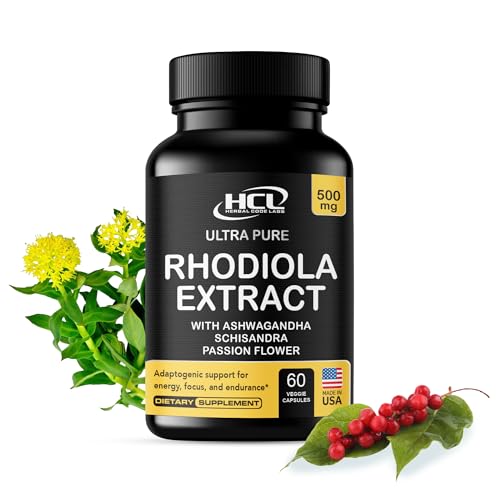
The content of these glycosides, along with their aglycons and precursors, can change in Rhodiola rosea during its vegetation period [2]. This natural variability underscores why a controlled standardization process is important to ensure a consistent product for consumers. Some research has even explored methods to produce rosavin analogues [3], highlighting the interest in these specific compounds.
Connecting Standardization to Research Findings
Many of the studies investigating the potential effects of Rhodiola rosea have utilized standardized extracts. For instance, a randomized, double-blind, placebo-controlled study examining stress-related fatigue used a standardized extract known as SHR-5 [4]. Similarly, a clinical trial exploring mild to moderate depression also employed the Rhodiola rosea L. extract SHR-5 [5].
Another randomized placebo-controlled trial comparing Rhodiola rosea to sertraline for major depressive disorder was conducted using a specific extract [6]. When research points to potential benefits, it is often based on the use of a product with a known and consistent profile of active compounds. This makes it challenging to draw parallels between research findings and non-standardized supplements, as the latter may not contain the same levels of the compounds studied.

Assessing Commercial Rhodiola Products
The quality and potential efficacy of commercial Rhodiola rosea extracts can be partly assessed by analyzing their salidroside and rosavin content, although marker content alone is not enough to judge efficacy [1]. This analysis helps to determine if a product meets the expected standards based on the plant’s known active components. The presence and concentration of phenolic compounds are also relevant to Rhodiola rosea from different geographical regions [7].

Without standardization, a consumer might purchase a Rhodiola product that contains very low levels of the compounds believed to be responsible for its potential effects, or widely varying amounts from one purchase to the next. This lack of consistency can impact the user’s experience and the product’s overall utility.
Why Standardized Extracts May Be More Reliable
For women considering Rhodiola rosea, especially during midlife and menopause, choosing a standardized extract may offer a more reliable experience. This is because standardized products aim to deliver a consistent amount of the key active compounds, such as rosavins and salidroside, that have been studied in research settings [1].
While the plant naturally contains various compounds, ensuring a consistent level of those most commonly associated with its studied effects can help consumers make more informed choices. This approach aligns with the understanding that the specific chemical profile of an herbal extract can influence its potential actions.
References
- Assessing the Quality and Potential Efficacy of Commercial Extracts of Rhodiola rosea L. by Analyzing the Salidroside and Rosavin Content and the Electrophysiological Activity in Hippocampal Long-Term Potentiation, a Synaptic Model of Memory. Frontiers in pharmacology, 2018
- Changes in the Content of the Glycosides, Aglycons and their Possible Precursors of Rhodiola rosea during the Vegetation Period. Natural product communications, 2015
- Producing Gram-Scale Unnatural Rosavin Analogues from Glucose by Engineered Escherichia coli. ACS synthetic biology, 2019
- A randomised, double-blind, placebo-controlled, parallel-group study of the standardised extract shr-5 of the roots of Rhodiola rosea in the treatment of subjects with stress-related fatigue. Planta medica, 2009
- Clinical trial of Rhodiola rosea L. extract SHR-5 in the treatment of mild to moderate depression. Nordic journal of psychiatry, 2007
- Rhodiola rosea versus sertraline for major depressive disorder: A randomized placebo-controlled trial. Phytomedicine : international journal of phytotherapy and phytopharmacology, 2015
- Phenolic Compounds and Elemental Composition of Rhodiola rosea (Crassulaceae) from Altai Mountains. Doklady biological sciences : proceedings of the Academy of Sciences of the USSR, Biological sciences sections, 2026
These statements have not been evaluated by the Food and Drug Administration. This information is not intended to diagnose, treat, cure, or prevent any disease. Content is for informational purposes only and is not medical advice; consult a qualified healthcare provider before starting any supplement. As an Amazon Associate we earn from qualifying purchases.
