As women navigate midlife and menopause, various physiological changes can occur. Understanding how certain botanicals might support well-being during this time is a common area of interest. Rhodiola rosea, often referred to as golden root or roseroot, is a plant that has garnered attention for its potential properties.
Among the areas of interest surrounding Rhodiola rosea are its potential antioxidant and anti-inflammatory activities. This article will explore the current understanding of rhodiola antioxidant benefits and its anti-inflammatory potential, drawing from available scientific literature.
Understanding Oxidative Stress and Inflammation in Midlife
Oxidative stress occurs when there is an imbalance between the production of free radicals and the body’s ability to counteract their harmful effects. This process is a natural part of aging and can be influenced by various factors. Similarly, inflammation is a complex biological response of body tissues to harmful stimuli, such as pathogens, damaged cells, or irritants. While acute inflammation is a protective mechanism, chronic low-grade inflammation can be associated with various health concerns over time.
During midlife and menopause, hormonal shifts can influence these processes. Exploring botanicals that may offer support for cellular balance is a topic of ongoing research. Rhodiola rosea contains a variety of compounds that are being investigated for their potential to influence these biological pathways.

Rhodiola Rosea as an Antioxidant: The Rhodiola Antioxidant Benefits
Rhodiola rosea contains several bioactive compounds, including salidroside and rosavins, which are thought to contribute to its observed properties [1]. Research suggests that extracts from Rhodiola rosea, particularly its phenolic components, exhibit antioxidant activity [1]. This activity has been observed in various laboratory settings, where these extracts demonstrated the capacity to scavenge free radicals [2][3].
The antioxidant effects of Rhodiola rosea are attributed to its rich phytochemical profile. Studies have shown that both dry extracts and commercial samples of Rhodiola rosea can possess antioxidant properties [2][3]. Specifically, salidroside, one of the key compounds in Rhodiola rosea, has been shown to intensify mitochondrial function in certain cell models, suggesting a role in cellular energy and protection against damage [4].
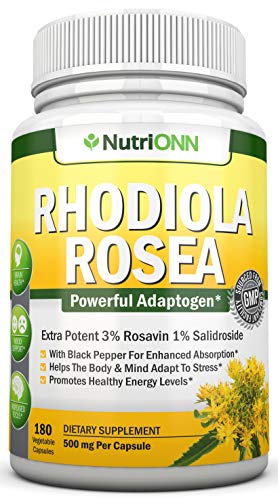
The potential rhodiola antioxidant benefits are a significant area of research, with ongoing studies exploring how these properties might contribute to overall cellular health and resilience.

Exploring Rhodiola’s Anti-Inflammatory Potential
Beyond its antioxidant properties, Rhodiola rosea is also being investigated for its potential anti-inflammatory effects. Several studies indicate that specific compounds within Rhodiola rosea may influence inflammatory pathways. For instance, rosavin, another important constituent, has been shown to alleviate acute lung injury in animal models by modulating specific signaling pathways involved in inflammation [5].

Further research in animal models suggests that rosavin may offer protective effects against certain inflammatory conditions by suppressing inflammatory signaling pathways [6]. A commercially available Rhodiola rosea root extract has also been studied for its anti-inflammatory activity, with findings suggesting its potential to influence inflammatory responses [7].
These findings, primarily from in vitro and animal studies, suggest that Rhodiola rosea and its bioactive compounds may have a role in modulating inflammatory processes. More human research is needed to fully understand these effects.
Mechanisms of Action: How Rhodiola May Work
The observed antioxidant and anti-inflammatory effects of Rhodiola rosea are thought to be mediated through various complex mechanisms. The presence of phenolic compounds, for example, is strongly linked to its antioxidant capacity, enabling it to neutralize free radicals and potentially reduce oxidative stress [1].

Regarding inflammation, compounds like rosavin appear to interact with specific cellular signaling pathways, such as the TLR-4/NF-κB/MAPK pathways, which are central to inflammatory responses [5]. Salidroside has also been shown to influence the PI3K-AKT-MAPK signaling pathway, which is involved in cellular function and stress responses [4]. These interactions suggest a multi-faceted approach by which Rhodiola rosea may exert its effects on cellular balance.
While the exact mechanisms are still being elucidated, the current understanding points to the complex interplay of Rhodiola rosea’s diverse phytochemicals in contributing to its potential benefits.
Rhodiola Rosea in the Context of Midlife and Menopause
For women in midlife and navigating menopause, maintaining cellular health and balance is important. While research on Rhodiola rosea’s direct effects on menopausal symptoms related to oxidative stress and inflammation is still developing, the potential rhodiola antioxidant benefits and anti-inflammatory properties are areas of ongoing interest.
It’s important to remember that much of the evidence regarding these specific mechanisms comes from laboratory and animal studies. While promising, these findings do not directly translate to human experiences or health outcomes. Further human clinical trials are necessary to confirm these effects and understand their relevance for women during midlife and menopause.
References
- Phytochemical Profiles, Antioxidant Activity and Antiproliferative Mechanism of Rhodiola rosea L. Phenolic Extract. Nutrients, 2022
- Antioxidant and Antibacterial Activity of Roseroot (Rhodiola rosea L.) Dry Extracts. Molecules (Basel, Switzerland), 2018
- Chemical Composition, Antioxidant and Anti-Enzymatic Activity of Golden Root (Rhodiola rosea L.) Commercial Samples. Antioxidants (Basel, Switzerland), 2022
- Salidroside intensifies mitochondrial function of CoCl(2)-damaged HT22 cells by stimulating PI3K-AKT-MAPK signaling pathway. Phytomedicine : international journal of phytotherapy and phytopharmacology, 2023
- Rosavin Alleviates LPS-Induced Acute Lung Injure by Modulating the TLR-4/NF-κB/MAPK Singnaling Pathways. International journal of molecular sciences, 2024
- Protective effects of Rosavin on bleomycin-induced pulmonary fibrosis via suppressing fibrotic and inflammatory signaling pathways in mice. Biomedicine & pharmacotherapy = Biomedecine & pharmacotherapie, 2019
- Phytochemical profile and anti-inflammatory activity of a commercially available Rhodiola rosea root extract. Fitoterapia, 2023
These statements have not been evaluated by the Food and Drug Administration. This information is not intended to diagnose, treat, cure, or prevent any disease. Content is for informational purposes only and is not medical advice; consult a qualified healthcare provider before starting any supplement. As an Amazon Associate we earn from qualifying purchases.
