Navigating perimenopause often brings a range of physiological shifts, and maintaining balanced blood sugar levels can be a particular area of focus for many women. As interest in natural approaches grows, some women wonder about the role of adaptogens like Rhodiola rosea.
This article examines the current, albeit limited, scientific understanding of how Rhodiola rosea might relate to blood sugar regulation, specifically considering the context of perimenopausal changes. We aim to provide an evidence-based overview without making definitive claims or offering medical advice.
Understanding Blood Sugar Regulation During Perimenopause
Perimenopause, the transitional phase leading to menopause, is characterized by fluctuating hormone levels, particularly estrogen. These hormonal shifts can influence various bodily systems, including metabolism and insulin sensitivity. While not everyone experiences significant changes in blood sugar during this time, it’s a period when metabolic health often warrants closer attention.
Maintaining stable blood sugar is crucial for overall well-being and energy levels. Lifestyle factors such as diet, exercise, and stress management play significant roles in supporting healthy glucose metabolism throughout midlife. Many women seek ways to support these processes naturally.
What is Rhodiola Rosea and How Might it Relate to Metabolism?
Rhodiola rosea is an adaptogenic herb, meaning it is traditionally believed to help the body adapt to various stressors. It has been studied for its potential effects on fatigue, stress, and mood. Its bioactive compounds, such as rosavins and salidrosides, are thought to contribute to its observed properties.

The connection between Rhodiola rosea and metabolic processes, including blood sugar regulation, is an area of ongoing research. While the primary focus of Rhodiola studies often centers on its adaptogenic and neuroprotective effects, some research has explored its broader physiological impacts, including those on metabolic health.

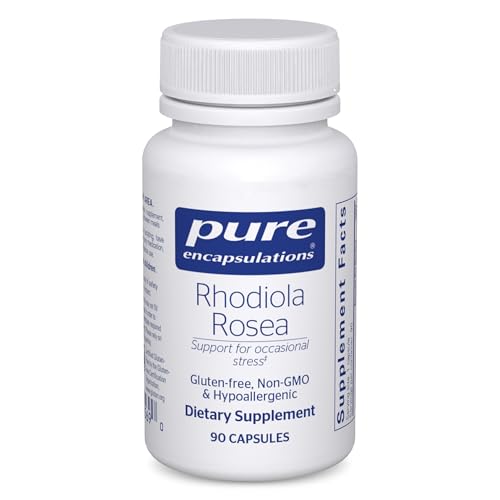
Current Evidence: Rhodiola Rosea and Blood Sugar
The evidence specifically linking Rhodiola rosea to blood sugar regulation in perimenopausal women is very limited. Most existing research on Rhodiola and glucose metabolism has been conducted in animal models or focuses on different species of Rhodiola or other adaptogens.
For instance, one study investigated the effect of Rhodiola rosea rhizome and Punica granatum fruit peel on metabolic processes in rats fed an excessively fat diet. This research explored how these substances might influence metabolism under specific dietary conditions [1]. Another study looked at Rhodiola crenulata root, a different species, and its ability to ameliorate derangements of glucose and lipid metabolism in a rat model of metabolic syndrome and type 2 diabetes [2]. While these animal studies offer preliminary insights into potential mechanisms, their findings cannot be directly translated to human experiences, especially in perimenopausal women.


It’s important to distinguish Rhodiola rosea from other herbs that have been studied for metabolic effects. For example, some research has explored the impact of Eleutherococcus senticosus (Siberian ginseng) as an adaptogenic plant [3], and other studies have investigated compounds like chromium, Phyllanthus emblica fruit extract, and shilajit for cardiometabolic health [4], or ecdysterone for degenerative diseases [5]. These studies, while relevant to metabolic health in general, do not provide direct evidence for Rhodiola rosea’s effects on blood sugar in perimenopausal women.
Interpreting the Findings and Future Research
Given the current research landscape, it is not possible to conclude that Rhodiola rosea has a proven impact on blood sugar regulation in perimenopausal women. The existing studies are largely preclinical, using animal models, or involve different species of Rhodiola. These early findings suggest areas for future investigation but do not provide definitive answers for human application.
The physiological changes during perimenopause are complex, and more targeted research is needed to understand if Rhodiola rosea or its specific compounds play a role in supporting blood sugar balance during this particular life stage. Until such human-specific research is conducted, any potential benefits remain speculative.
References
- Effect of Rhodiola rosea Rhizome and Punica granatum Fruit Peel on the Metabolic Processes and Physiological Activity of Rats Fed with Excessively Fat Diet. Food technology and biotechnology, 2023
- Rhodiola crenulata root ameliorates derangements of glucose and lipid metabolism in a rat model of the metabolic syndrome and type 2 diabetes. Journal of ethnopharmacology, 2012
- Eleutherococcus senticosus (Acanthopanax senticosus): An Important Adaptogenic Plant. Molecules (Basel, Switzerland), 2025
- Effects of 12 Weeks of Chromium, Phyllanthus emblica Fruit Extract, and Shilajit Supplementation on Markers of Cardiometabolic Health, Fitness, and Weight Loss in Men and Women with Risk Factors to Metabolic Syndrome Initiating an Exercise and Diet Intervention: A Randomized Double-Blind, Placebo-Controlled Trial. Nutrients, 2025
- Ecdysterone and its activity on some degenerative diseases. Natural product communications, 2011
These statements have not been evaluated by the Food and Drug Administration. This information is not intended to diagnose, treat, cure, or prevent any disease. Content is for informational purposes only and is not medical advice; consult a qualified healthcare provider before starting any supplement. As an Amazon Associate we earn from qualifying purchases.
