For women navigating midlife and menopause, understanding the origins of the botanicals they choose can be a significant consideration. Rhodiola rosea, an adaptogenic herb, has garnered attention for its potential to support well-being during these life stages.
Beyond its reported benefits, the method by which Rhodiola rosea is obtained holds importance. Sustainable sourcing practices are not only vital for the herb’s long-term availability but can also influence the quality and consistency of the product.
What is Sustainable Sourcing for Rhodiola Rosea?
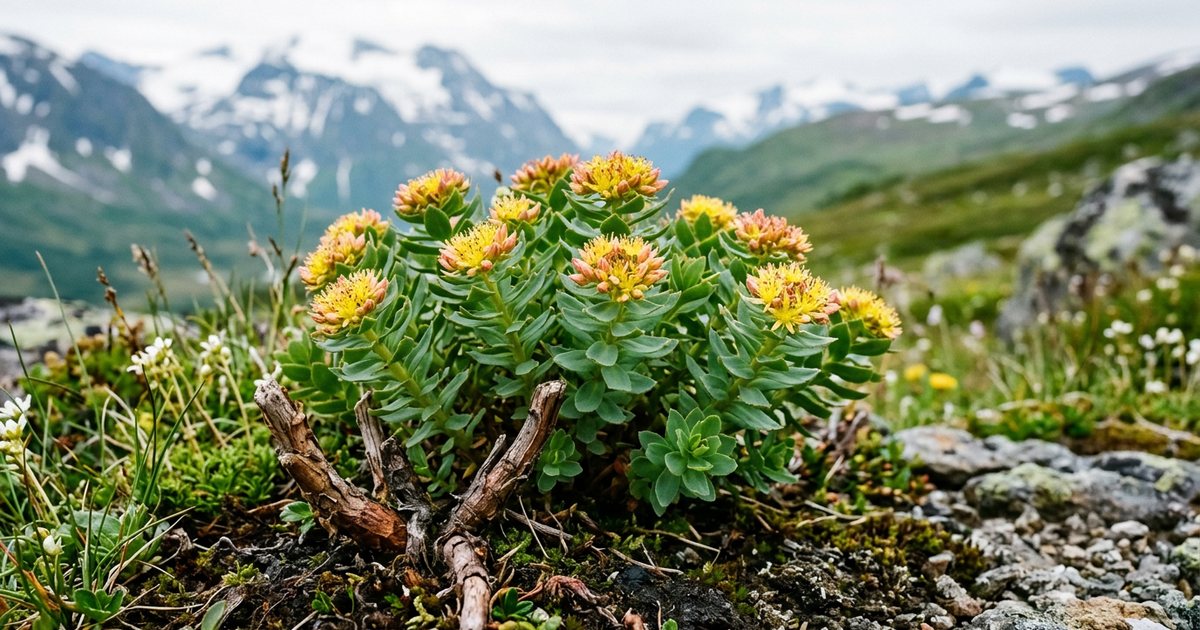
Sustainable sourcing, in the context of Rhodiola rosea, refers to practices that allow for the harvesting of the plant in a manner that does not deplete wild populations or harm its natural habitat. This approach aims to ensure that the herb remains available for future generations, while also supporting the ecosystems where it grows.
Unlike many cultivated crops, Rhodiola rosea often grows in challenging, high-altitude environments. Its slow growth rate and specific habitat requirements make it particularly vulnerable to over-harvesting if not managed carefully. Sustainable practices often involve careful assessment of wild populations, selective harvesting, and protecting the surrounding environment.
The Environmental Impact of Unsustainable Harvesting
The demand for Rhodiola rosea has increased, putting pressure on its wild populations. Unsustainable harvesting can lead to a significant decline in these natural resources [1]. When plants are collected without considering their regeneration cycles or the health of the overall population, it can deplete the species in specific areas.

Such practices not only threaten the Rhodiola rosea plant itself but can also impact the biodiversity of the ecosystems where it thrives. These high-altitude environments often support a unique array of plant and animal life, and the loss of a key species like Rhodiola rosea could have ripple effects throughout the local ecosystem. Preserving these delicate habitats is a key aspect of responsible sourcing.
How Sourcing Practices May Influence Rhodiola Rosea Potency
The effectiveness of botanical preparations often depends on the presence and concentration of specific active compounds. In Rhodiola rosea, compounds like rosavins and salidroside are often considered important markers of quality. The way the plant is grown, harvested, and processed can affect the levels of these compounds.
Sustainable harvesting practices often involve collecting the plant at optimal times for its chemical profile, and from mature plants that have had sufficient time to develop these compounds. In contrast, immature plants or those harvested under stressful conditions might not yield the same concentration of desired constituents. Therefore, a commitment to sustainable sourcing may also be linked to a commitment to quality and potency in the final product.
Identifying Responsibly Sourced Rhodiola Rosea
For consumers, identifying responsibly sourced Rhodiola rosea can involve looking for brands that are transparent about their supply chain. Companies committed to sustainable practices often provide information about where their Rhodiola is grown or wild-harvested, and the methods used.

Some companies may work directly with local communities to implement ethical harvesting guidelines, ensuring fair compensation and education on sustainable collection techniques. Certification programs, where available, can also offer an additional layer of assurance regarding a product’s sourcing integrity. Asking questions about a product’s origin and the company’s commitment to sustainability can be a useful step for consumers.
The Role of Cultivation in Sustainable Supply
While wild-harvested Rhodiola rosea has traditionally been a primary source, cultivation is emerging as an important strategy for sustainable supply. Cultivating Rhodiola rosea can help reduce pressure on wild populations, which are facing threats from over-harvesting [1].
Controlled cultivation allows for consistent quality control and can ensure a reliable supply without depleting natural resources. As the demand for Rhodiola rosea continues, the development and expansion of sustainable cultivation practices are likely to play an increasingly important role in meeting market needs responsibly.

References
- Running out of time to smell the roseroots: Reviewing threats and trade in wild Rhodiola rosea L. Journal of ethnopharmacology, 2021
These statements have not been evaluated by the Food and Drug Administration. This information is not intended to diagnose, treat, cure, or prevent any disease. Content is for informational purposes only and is not medical advice; consult a qualified healthcare provider before starting any supplement. As an Amazon Associate we earn from qualifying purchases.
