Perimenopause is a transitional phase leading up to menopause, often marked by hormonal fluctuations that can impact various bodily systems, including immune function. Many women seek natural approaches to support their well-being during this time.
Rhodiola rosea is an adaptogenic herb that has garnered interest for its potential effects on stress and vitality. This article explores the current, albeit limited, scientific understanding of how Rhodiola rosea might offer immune support during perimenopause, drawing solely from available research.
Understanding Immune Changes in Midlife
The immune system is a complex network designed to protect the body from foreign invaders and maintain overall health. As women navigate perimenopause, hormonal shifts can influence immune responses. While the exact interplay is still being actively researched, supporting general immune health becomes a common focus during this life stage.
Maintaining a balanced lifestyle, including adequate sleep, nutrition, and stress management, is fundamental for robust immune function. Some individuals also explore herbal supplements, such as Rhodiola rosea, to complement these foundational practices, though it’s important to approach such options with an understanding of the available evidence.
Rhodiola Rosea: An Overview of Its Compounds
Rhodiola rosea is a plant known for various bioactive compounds, including salidroside and rosavins, which are often considered key active components [1]. These compounds are believed to contribute to the plant’s adaptogenic properties, which refer to its potential to help the body adapt to stress.

Research interest in Rhodiola rosea extends to its potential influence on various physiological processes. While extensive research specifically on Rhodiola rosea and perimenopausal immune support is limited, some studies have explored its effects on immune system components in different contexts.


Early Research on Rhodiola and Immune Function
Preliminary research suggests that compounds found in Rhodiola rosea may interact with immune processes. For instance, salidroside, a component of Rhodiola rosea, has been observed to have adjuvant effects on immune responses in mice, specifically in relation to ovalbumin [2]. An adjuvant helps to enhance the body’s immune response to an antigen.
Further studies have explored the impact of specific Rhodiola rosea components on immune cells. Rhodiola rosea polysaccharides, for example, have been shown to promote the proliferation of bone marrow hematopoietic progenitor cells and stromal cells in mice with aplastic anemia [3]. This suggests a potential role in supporting the production of immune cells. Additionally, Rhodiola rosea polysaccharides-based nanoparticles loaded with DOX have been investigated for their ability to boost chemo-immunotherapy in triple-negative breast cancer by re-educating tumor-associated macrophages [4].
Salidroside has also been studied for its potential in modulating inflammatory responses. Research indicates that salidroside may alleviate renal ischemia-reperfusion injury by inhibiting macrophage pyroptosis through HIF signaling [5] and is being explored as a potential drug candidate to address rheumatoid arthritis [6]. While these studies offer insights into the mechanisms of Rhodiola’s compounds, it’s important to note they are not directly focused on general immune support during perimenopause in humans.

Rhodiola Rosea and Exercise-Related Immune Response
Exercise can impact the immune system, and some research has investigated the role of herbal supplements in this context. A review article touched upon the effects of herbal supplements on the immune system in relation to exercise, though specific strong conclusions regarding Rhodiola rosea’s definitive role in boosting immunity during exercise were not detailed in the provided abstract [7]. This area requires more focused research to understand any direct benefits for perimenopausal women engaging in physical activity.
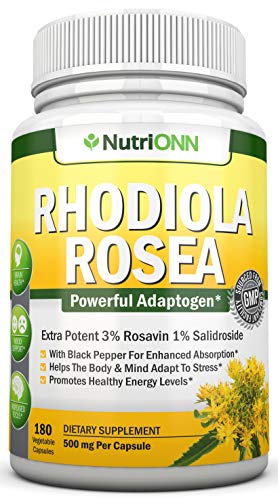
While other adaptogens like Panax ginseng have shown adaptogenic effects on modulating immune functions [8], and Ashwagandha is being reviewed for its geroprotective benefits, including potential immune support [9], the specific evidence for Rhodiola rosea directly supporting immunity in perimenopause remains limited and warrants further dedicated investigation.
What This Means for Perimenopausal Women
Based on the currently available evidence, research on Rhodiola rosea’s direct role in boosting immunity specifically for women in perimenopause is limited. While some studies suggest that compounds within Rhodiola rosea may influence immune components and inflammatory pathways in various experimental models, these findings do not directly translate to general immune support during perimenopause in humans.
The existing research provides early insights into potential mechanisms of action for Rhodiola rosea compounds, but more targeted clinical trials are needed to understand if and how Rhodiola rosea might contribute to immune resilience during the perimenopausal transition. Therefore, while Rhodiola rosea may be of interest, it is not currently established as a primary strategy for immune enhancement in this population.
References
- Rhodiola plants: Chemistry and biological activity. Journal of food and drug analysis, 2015
- Adjuvant effects of salidroside from Rhodiola rosea L. on the immune responses to ovalbumin in mice. Immunopharmacology and immunotoxicology, 2011
- Rhodiola rosea polysaccharides promote the proliferation of bone marrow haematopoietic progenitor cells and stromal cells in mice with aplastic anaemia. Pharmaceutical biology, 2022
- Rhodiola rosea polysaccharides-based nanoparticles loaded with DOX boosts chemo-immunotherapy for triple-negative breast cancer by re-educating Tumor-associated macrophages. International journal of biological macromolecules, 2023
- Salidroside Alleviates Renal Ischemia-reperfusion Injury by Inhibiting Macrophage Pyroptosis Through HIF Signaling. Inflammation, 2025
- Salidroside: A Potential Drug Candidate to Treat Rheumatoid Arthritis. Molecules (Basel, Switzerland), 2025
- Effects of herbal supplements on the immune system in relation to exercise. International journal of immunopathology and pharmacology, 2012
- Adaptogenic effects of Panax ginseng on modulation of immune functions. Journal of ginseng research, 2021
- Enhancing healthspan with Ashwagandha (Withania somnifera): a comprehensive review of its multifaceted geroprotective benefits. Biogerontology, 2025
These statements have not been evaluated by the Food and Drug Administration. This information is not intended to diagnose, treat, cure, or prevent any disease. Content is for informational purposes only and is not medical advice; consult a qualified healthcare provider before starting any supplement. As an Amazon Associate we earn from qualifying purchases.
