As women navigate the changes of midlife and perimenopause, maintaining an active lifestyle can be a valuable part of overall well-being. However, shifts in energy levels and recovery capacity can sometimes make consistent exercise more challenging. Understanding how certain botanicals might offer support can be helpful for those looking to sustain their fitness goals.
Rhodiola rosea is an adaptogenic herb that has garnered attention for its potential to support the body’s response to various stressors, including physical exertion. This article will explore the current evidence regarding Rhodiola rosea’s role in supporting exercise recovery and stamina, particularly relevant for women in midlife.
Understanding Rhodiola Rosea and Adaptogens
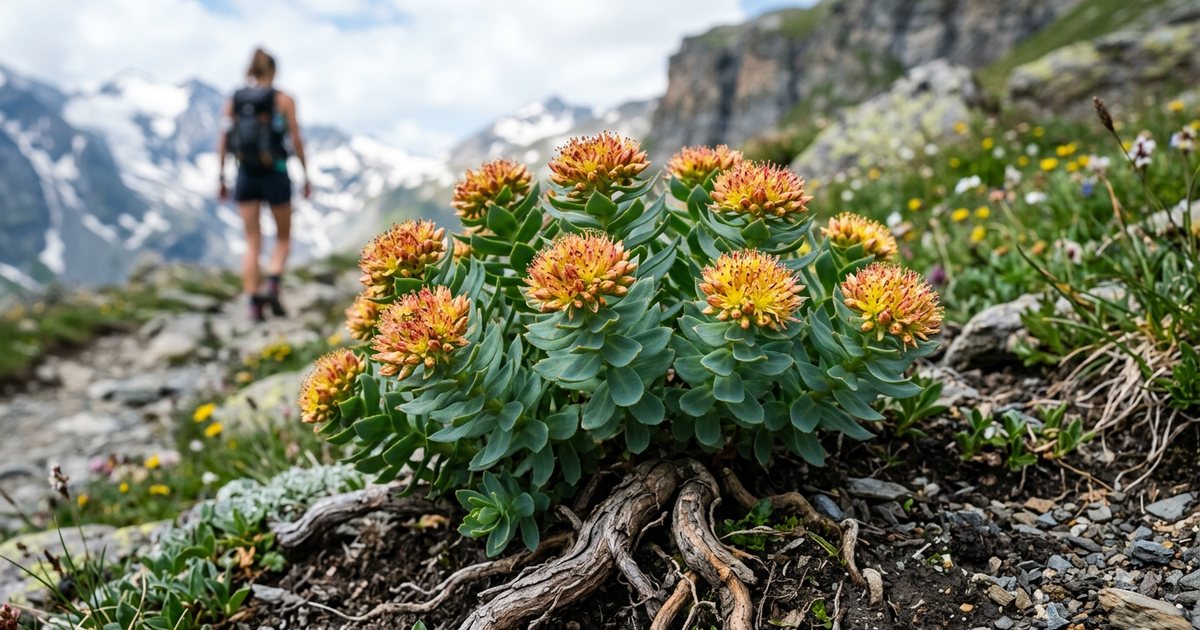
Rhodiola rosea, often referred to as ‘golden root,’ is a perennial flowering plant native to cold, mountainous regions. It has a long history of traditional use, particularly for its perceived ability to enhance physical and mental endurance. In modern contexts, it is classified as an adaptogen, a group of botanicals believed to help the body adapt to various forms of stress.
The adaptogenic properties of Rhodiola rosea are thought to be due to its unique array of bioactive compounds, including rosavins and salidroside. These compounds are often standardized in Rhodiola rosea extracts. While research continues to unravel the full scope of its mechanisms, the focus here is on its potential relevance to physical performance and recovery.

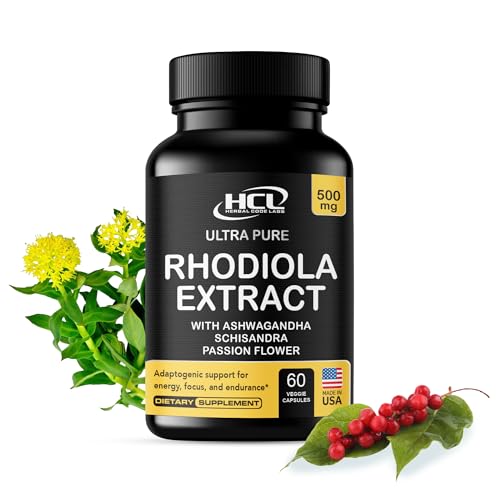
Rhodiola Rosea and Exercise Stamina
Maintaining stamina can be a key concern for women in midlife who are active. Some research suggests that Rhodiola rosea supplementation may offer support for endurance performance. A systematic review of randomized controlled trials in 2023 indicated that Rhodiola rosea supplementation might influence sports performance [1]. Another study in recreationally active women suggested that combined Rhodiola rosea and eccentric training could boost endurance performance [2].

Further research has explored synergistic effects. For instance, a 2024 study investigated the combined effects of Rhodiola rosea and caffeine supplementation on aerobic endurance, suggesting a potential synergistic approach [3]. While these findings are promising, it’s important to note that the body of evidence is still developing, and individual responses can vary. More studies specifically focused on perimenopausal women are needed to draw stronger conclusions in this demographic.
Supporting Muscle Function and Recovery
Exercise recovery is a crucial aspect of any fitness routine, allowing muscles to repair and adapt. Emerging research suggests Rhodiola rosea may play a role in supporting muscle health. A 2024 study indicated that controlled cultivation of Rhodiola rosea could confer synergistic activity on muscle cell homeostasis, metabolism, and antioxidant defense in primary human myoblasts [4]. This suggests potential mechanisms by which Rhodiola rosea might support muscle function at a cellular level.
Regarding strength performance, a 2025 randomized, triple-blinded, placebo-controlled, crossover trial examined the impact of Rhodiola rosea extract on strength performance in alternative bench-press and bench-pull exercises under resting and mental fatigue conditions [5]. While this study investigated strength, it contributes to the broader understanding of Rhodiola rosea’s influence on physical capacity, which can indirectly impact recovery by supporting the body’s ability to handle exertion.
Distinguishing Rhodiola from Other Botanicals
When considering botanicals for exercise support, it’s helpful to understand the unique properties of each. While Rhodiola rosea shows promise for stamina and recovery, other adaptogens like Ashwagandha (Withania somnifera) are also studied for physical performance. Ashwagandha has been examined for its effect on muscle strength and recovery [6] and its impact on physical performance in a systematic review and meta-analysis [7]. Ashwagandha withanolides are also being researched for natural interventions in aging [8].

Ginseng is another botanical explored in the context of exercise training and injury recovery, with research focusing on its composition, mechanism of action, and dosage recommendations [9]. Additionally, Rosa damascena is being reviewed for its role in exercise-induced neuroinflammation and recovery [10]. Each of these botanicals has distinct profiles and mechanisms, and their effects may differ. Rhodiola rosea stands out for its specific research focus on endurance, fatigue, and adaptogenic support during physical stress.
Considerations for Perimenopausal Women
The physiological changes during perimenopause can influence energy levels, muscle mass, and recovery times. While the existing research on Rhodiola rosea for exercise recovery and stamina does not always specifically isolate perimenopausal women, the general findings on physical performance and fatigue may be relevant. The adaptogenic nature of Rhodiola rosea, which aims to help the body adapt to stress, could potentially offer support during a time of significant hormonal flux and associated changes in physical capacity.
It’s important for women in midlife to consider their overall health, activity levels, and any existing medical conditions when exploring botanical supplements. The goal is to support an active and healthy lifestyle, and Rhodiola rosea may be a component of that strategy for some individuals. However, personalized approaches are always advisable.
References
- Rhodiola rosea supplementation on sports performance: A systematic review of randomized controlled trials. Phytotherapy research : PTR, 2023
- Combined Rhodiola rosea and eccentric training boost endurance performance and lower-limb reactive strength in recreationally active women. Frontiers in physiology, 2025
- Combined effects of Rhodiola rosea and caffeine supplementation on aerobic endurance and muscle explosiveness: a synergistic approach. Frontiers in nutrition, 2024
- Controlled Cultivation Confers Rhodiola rosea Synergistic Activity on Muscle Cell Homeostasis, Metabolism and Antioxidant Defense in Primary Human Myoblasts. Antioxidants (Basel, Switzerland), 2024
- The Impact of Rhodiola Rosea Extract on Strength Performance in Alternative Bench-Press and Bench-Pull Exercises Under Resting and Mental Fatigue Conditions: A Randomized, Triple-Blinded, Placebo-Controlled, Crossover Trial. Nutrients, 2025
- Examining the effect of Withania somnifera supplementation on muscle strength and recovery: a randomized controlled trial. Journal of the International Society of Sports Nutrition, 2015
- Effects of Ashwagandha (Withania somnifera) on Physical Performance: Systematic Review and Bayesian Meta-Analysis. Journal of functional morphology and kinesiology, 2021
- Ashwagandha withanolides, Withaferin-A, and Withanone for natural interventions in aging and obesity. Mechanisms of ageing and development, 2025
- Ginseng in exercise training and injury recovery: Composition, mechanism of action, dosage recommendations, and safety analysis. Nutrition research (New York, N.Y.), 2026
- Rosa damascena in exercise-induced neuroinflammation and recovery: A narrative review bridging traditional medicine and translational sports science. Iranian journal of basic medical sciences, 2026
These statements have not been evaluated by the Food and Drug Administration. This information is not intended to diagnose, treat, cure, or prevent any disease. Content is for informational purposes only and is not medical advice; consult a qualified healthcare provider before starting any supplement. As an Amazon Associate we earn from qualifying purchases.
