Ready to buy? Check current prices on Amazon and compare deals before you decide.
As you navigate the dynamic landscape of your mid-thirties to mid-fifties, you might find yourself grappling with a unique set of challenges. The demands of career, family, and personal well-being often collide with the subtle yet significant shifts of hormonal transition, leading to increased stress, persistent mental fatigue, and a noticeable dip in physical endurance. You’ve likely heard whispers about adaptogens, and specifically Rhodiola rosea, as a potential ally in building resilience during this pivotal time.
But with so much information available, often exaggerated or unsubstantiated, how do you discern what’s truly effective? This article cuts through the noise, offering an evidence-based look at what the research, particularly human randomized controlled trials, genuinely shows about Rhodiola rosea benefits for women experiencing stress, fatigue, and perimenopausal changes. We aim to provide clear, actionable insights grounded in scientific study, helping you make informed decisions about integrating this adaptogen into your wellness routine.
RhodiolaHub is a participant in the Amazon Services LLC Associates Program, an affiliate advertising program designed to provide a means for sites to earn advertising fees by advertising and linking to Amazon.com. We may earn a commission from qualifying purchases made through our links.
Understanding Rhodiola Rosea: The Adaptogen Advantage
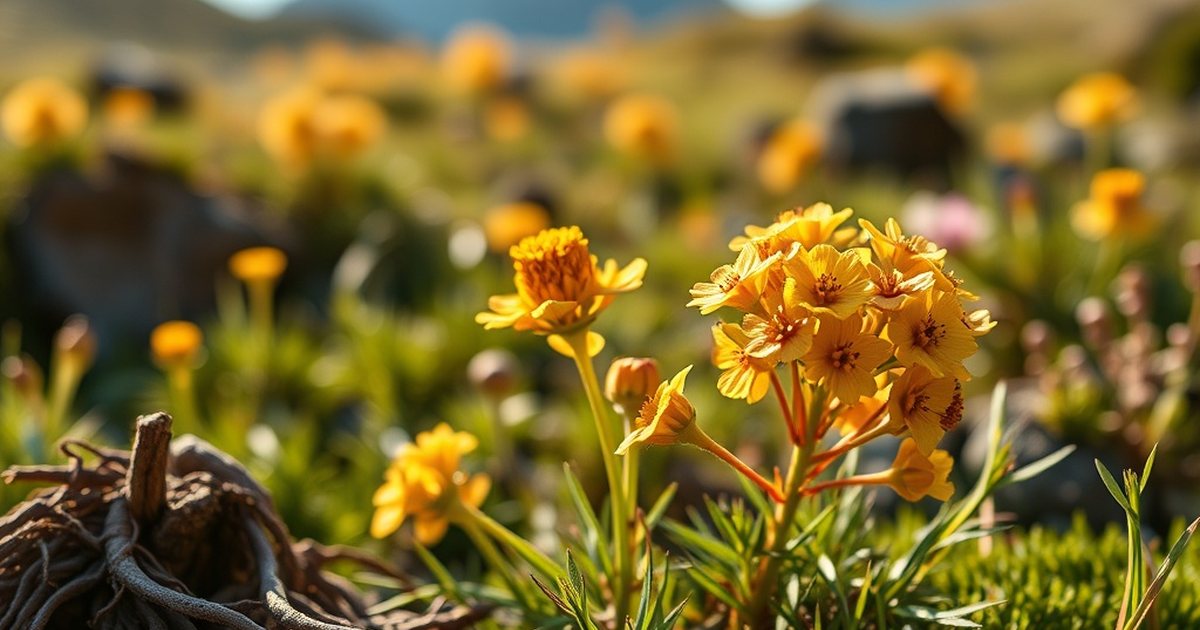
Rhodiola rosea, also known as “golden root,” is a perennial plant native to cold, high-altitude regions of Europe and Asia. It has a long history of traditional use in various cultures, valued for its ability to enhance physical and mental performance.
As an adaptogen, Rhodiola rosea helps the body adapt to stress by modulating the hypothalamic-pituitary-adrenal (HPA) axis and other stress-response systems. This unique property distinguishes adaptogens from stimulants, as they aim to normalize physiological function rather than simply boosting energy.
Key Bioactive Compounds: Rosavins and Salidrosides
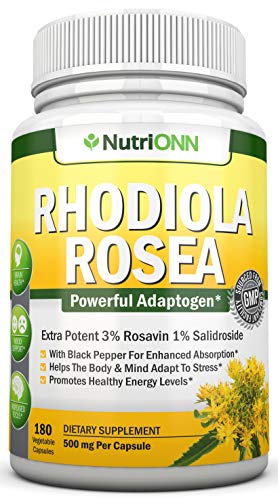
The primary active compounds responsible for Rhodiola rosea’s effects are rosavins and salidrosides. Most standardized extracts, like the well-researched SHR-5, are formulated to contain specific ratios of these compounds, typically 3% rosavins and 1% salidrosides.
These compounds are believed to influence neurotransmitter levels, energy metabolism, and antioxidant pathways, contributing to the plant’s adaptogenic properties. The quality and standardization of a Rhodiola supplement are crucial for ensuring its efficacy.
Rhodiola for Stress Resilience: Navigating Modern Demands
One of the most compelling areas of research for Rhodiola rosea centers on its capacity to enhance stress resilience. For women juggling multiple responsibilities, chronic stress can significantly impact overall well-being.
Human studies have investigated Rhodiola’s effects on perceived stress and fatigue. An open-label trial gave 100 people with prolonged or chronic fatigue symptoms 2 × 200 mg of a standardised ethanolic extract (WS 1375) daily for eight weeks; fatigue scores dropped most sharply in the first week and kept improving through week eight [1]. That trial had no placebo group, so it cannot separate the extract’s effect from natural recovery or expectation — the authors themselves frame it as a pilot meant to generate hypotheses, not to confirm efficacy.
The mechanism behind this effect is thought to involve the modulation of stress-activated protein kinases and nitric oxide levels, helping the body manage cortisol responses more effectively. While promising, most studies are short-term, typically ranging from a few weeks to a few months.
Combating Mental Fatigue: Rhodiola’s Cognitive Edge
Mental fatigue, often described as brain fog or difficulty concentrating, is a common complaint, particularly during periods of high demand or hormonal fluctuation. Rhodiola rosea has shown potential in mitigating this fatigue.
A systematic review pooled 11 controlled trials — ten randomised, one not. Two of the six trials on physical fatigue and three of the five on mental fatigue reported a benefit, but every included study carried either a high or an unclear risk of bias, and the reviewers concluded that the evidence is contradictory and that a rigorously designed, well-reported trial is still needed [2]. That is the honest state of the field: promising signals, weak methodology.
The strongest single result comes from a double-blind, placebo-controlled crossover trial in 56 healthy physicians on night duty. Two weeks of a low-dose standardised extract (SHR-5) significantly improved a composite fatigue index built from associative thinking, short-term memory, calculation, concentration and perceptual speed, with no side effects reported [3]. The benefit showed up in the first two-week period, and the sample was small.
Enhancing Physical Endurance: Beyond the Gym
Physical endurance isn’t just for athletes; it’s about having the sustained energy to navigate daily life without feeling constantly depleted. For women experiencing perimenopausal shifts, maintaining energy levels can be a significant challenge.
Research indicates Rhodiola rosea may contribute to enhanced physical work capacity. A review covering the plant’s chemistry, pharmacology and clinical evidence surveys the trials on physical work capacity and fatigue, including the athletic performance literature, while noting that study quality across the field is uneven [4].
The proposed mechanisms include optimizing energy metabolism by increasing ATP synthesis and improving the body’s ability to utilize fats for fuel. While some studies involve athletic populations, the implications for general fatigue and daily energy levels are relevant.
Rhodiola and Perimenopause: Addressing Hormonal Transitions
The perimenopausal period is characterized by fluctuating hormone levels, which can contribute to mood swings, increased stress sensitivity, and fatigue. While Rhodiola rosea is not a hormone replacement, its adaptogenic properties may offer supportive benefits.

By helping the body adapt to various stressors, Rhodiola may indirectly alleviate some of the non-hormonal symptoms associated with perimenopause. For example, by reducing stress and improving mood, it could potentially lessen the impact of mood disturbances common during this transition.
However, it is crucial to note that direct research specifically linking Rhodiola rosea to the alleviation of perimenopausal symptoms like hot flashes or night sweats is limited. Its benefits in this context are primarily related to its established effects on stress, fatigue, and mood, which can be exacerbated during perimenopause.
Choosing a Quality Rhodiola Rosea Supplement
Given the importance of active compounds, selecting a high-quality Rhodiola rosea supplement is paramount. Look for products that clearly state their standardization.
| Feature | Description |
|---|---|
| Standardized Extract | Ensures consistent levels of active compounds, typically 3% rosavins and 1% salidrosides (e.g., Rhodiola rosea SHR-5 extract). |
| Third-Party Tested | Verification by independent labs confirms purity, potency, and absence of contaminants. |
| Reputable Brand | Choose brands with transparent sourcing and manufacturing practices. |
| No Fillers/Additives | Avoid products with unnecessary artificial ingredients. |
The dosage used in most clinical trials typically ranges from 200 mg to 600 mg of standardized extract per day. Always follow the manufacturer’s recommendations or consult with a healthcare professional.

Potential Side Effects and Interactions
Rhodiola rosea is generally considered well-tolerated when taken at recommended dosages. Some individuals may experience mild side effects such as insomnia, irritability, or stomach upset, particularly if taken too close to bedtime or in high doses.
Rhodiola rosea has measurable interaction potential with prescription drugs. In a randomized cross-over study, 14 days of a commercial rhodiola product cut CYP2C9 activity in healthy volunteers by 21%, measured using losartan, a blood pressure medication, as the probe drug; the authors flagged that as potentially relevant for narrow-therapeutic-index CYP2C9 drugs such as warfarin[5]. Two rhodiola constituents, rhodiosin and rhodionin, also inhibit CYP2D6[6], the enzyme that clears many antidepressants. Glucose-lowering effects have so far been shown only in animal models, so an interaction with diabetes medication is theoretical rather than documented. Always consult your doctor or a qualified healthcare provider before starting any new supplement, especially if you have underlying health conditions or are taking other medications.
Finding Your Rhodiola Rosea Supplement
When searching for a Rhodiola rosea supplement, focus on specific product types to ensure you’re getting a quality extract. Look for options like “standardized Rhodiola rosea extract,” “Rhodiola rosea capsules with rosavins and salidrosides,” or “organic Rhodiola rosea supplement.” These search terms will help you identify products that meet the criteria for effectiveness and purity.
Conclusion
Rhodiola rosea stands as a promising adaptogen, with a growing body of human research supporting its benefits for stress resilience, mental fatigue, and physical endurance. For women navigating the unique demands of their mid-thirties to mid-fifties, including perimenopausal transitions, Rhodiola offers an evidence-grounded option to support overall well-being.

While most studies are short-term, the consistent findings across various trials suggest a meaningful impact. By understanding the science and choosing a high-quality, standardized extract, you can make an informed decision about integrating Rhodiola rosea into your personal strategy for thriving amidst life’s challenges.
Frequently Asked Questions
What is Rhodiola rosea and how does it work?
Rhodiola rosea is an adaptogenic herb that helps the body adapt to stress. It works by influencing the HPA axis and other stress-response systems, modulating neurotransmitters, and supporting cellular energy metabolism through compounds like rosavins and salidrosides.
Can Rhodiola help with perimenopausal symptoms?
While not a direct treatment for hormonal symptoms like hot flashes, Rhodiola can indirectly support women during perimenopause by reducing stress, combating fatigue, and improving mood, which are often exacerbated during this transition. Its benefits are primarily related to its adaptogenic properties.
How long does it take for Rhodiola rosea to work?
The effects of Rhodiola can vary between individuals, but some studies report noticeable improvements in fatigue and stress within days to a few weeks of consistent use. Optimal benefits often develop over several weeks.
What is the recommended dosage for Rhodiola rosea?
Most clinical trials use dosages ranging from 200 mg to 600 mg per day of a standardized extract (typically 3% rosavins and 1% salidrosides). Always refer to the specific product label and consult a healthcare professional for personalized advice.
Are there any side effects or contraindications?
Rhodiola is generally well-tolerated. Mild side effects can include insomnia or irritability, especially with high doses or evening intake. A human cross-over study found it inhibits CYP2C9, the enzyme that clears warfarin and other narrow-therapeutic-index drugs[5], and two of its constituents inhibit CYP2D6[6], which clears many antidepressants. Interaction with diabetes medication has not been studied in people. Consult your doctor before use, particularly if you have existing health conditions or take other medications.

What should I look for in a Rhodiola supplement?
Prioritize standardized extracts, ideally with a 3:1 ratio of rosavins to salidrosides (like SHR-5). Look for third-party testing, reputable brands, and products free from unnecessary fillers or artificial ingredients.
These statements have not been evaluated by the FDA. This product is not intended to diagnose, treat, cure, or prevent any disease.

References
- Rhodiola rosea in Subjects with Prolonged or Chronic Fatigue Symptoms: Results of an Open-Label Clinical Trial. Complementary Medicine Research, 2017
- Rhodiola rosea for physical and mental fatigue: a systematic review. BMC Complementary and Alternative Medicine, 2012
- Rhodiola rosea in stress induced fatigue — a double blind cross-over study of a standardized extract SHR-5 with a repeated low-dose regimen on the mental performance of healthy physicians during night duty. Phytomedicine, 2000
- Rosenroot (Rhodiola rosea): traditional use, chemical composition, pharmacology and clinical efficacy. Phytomedicine, 2010
- Effect of commercial Rhodiola rosea on CYP enzyme activity in humans. European Journal of Clinical Pharmacology, 2016
- Two potent cytochrome P450 2D6 inhibitors found in Rhodiola rosea. Pharmazie, 2013
These statements have not been evaluated by the Food and Drug Administration. This information is not intended to diagnose, treat, cure, or prevent any disease. Content is for informational purposes only and is not medical advice; consult a qualified healthcare provider before starting any supplement. As an Amazon Associate we earn from qualifying purchases.
