Navigating supplement choices, especially during midlife and menopause, can feel overwhelming. When considering rhodiola rosea, understanding how to assess supplement quality is a key step in making informed decisions for your well-being.
One crucial aspect of quality assurance for rhodiola supplements is third-party testing. This independent verification can offer valuable insights into what’s actually in the bottle, helping you choose products that align with your health goals.
Why Third-Party Testing Matters for Rhodiola Supplements
The market for herbal supplements, including rhodiola rosea, can be complex. Without proper oversight, there’s a possibility of products containing incorrect species, adulterants, or varying levels of active compounds [1]. Third-party testing provides an independent layer of scrutiny, helping to verify the product’s contents.
For women in midlife and menopause, who may be particularly attuned to ingredient purity and consistency, this independent verification can be especially reassuring. It helps to bridge the gap between what a label claims and what a product actually delivers, supporting a more confident approach to supplement use.
Contaminants are another significant concern in herbal medicinal products. Third-party testing can help identify the presence of heavy metals, pesticides, and other unwanted substances that could compromise a supplement’s safety [2].
Verifying Authenticity: Is it Really Rhodiola Rosea?
One of the primary benefits of third-party testing for rhodiola is species authentication. Studies have shown that some commercial rhodiola products may contain species other than Rhodiola rosea, or even be adulterated with other plant materials [1]. This is a significant concern because different Rhodiola species do not necessarily offer the same profile of compounds.
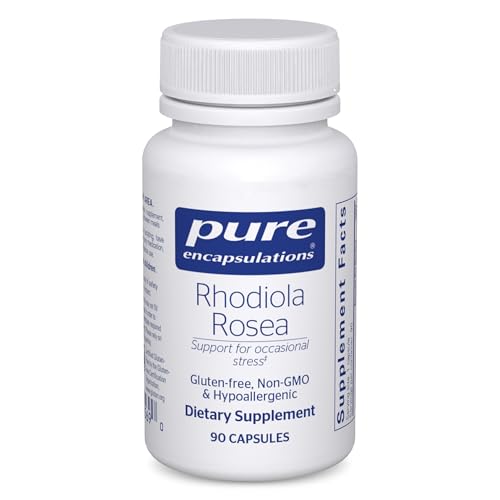
Reputable third-party labs use specialized analytical methods to confirm that the plant material in a supplement is indeed Rhodiola rosea. This ensures you are consuming the specific herb you intend to, which is vital for any potential benefits you seek from rhodiola.


Active Compounds: Rosavins and Salidroside
Rhodiola rosea is recognized for its characteristic compounds, particularly rosavins and salidroside [3]. These compounds are considered important markers for the quality and potential efficacy of rhodiola extracts. Third-party testing can quantify the levels of these active compounds in a supplement.
Variations in the content of rosavins and salidroside can occur between different rhodiola products [3]. Knowing these levels through independent testing can help you compare products and choose one that aligns with established research on rhodiola’s composition. For instance, a 2026 analysis of Rhodiola rosea supplements on the U.S. market examined biomarkers like rosavin and salidroside content [4].
It’s worth noting that while these compounds are often highlighted, the full spectrum of compounds in Rhodiola rosea likely contributes to its properties [5]. However, rosavins and salidroside remain key indicators of quality.

Safety Checks: Contaminants and Purity
Beyond confirming the presence of Rhodiola rosea and its key compounds, third-party testing also plays a critical role in safety. This includes screening for unwanted contaminants that can be present in herbal products due to growing, harvesting, or processing practices [2].
Key contaminants that third-party testing can identify include heavy metals (such as lead, mercury, arsenic, and cadmium) and pesticide residues [4]. The presence of these substances, even at low levels, can be a concern for long-term consumption. For example, a 2026 study evaluated the quality and safety of Rhodiola rosea supplements in the U.S. market, specifically analyzing heavy metals and pesticide residues [4].

Additionally, third-party testing can help ensure that the product is free from microbial contaminants, which can sometimes occur if handling and manufacturing processes are not up to standard. Choosing products that have been independently verified for purity can offer peace of mind, especially when integrating supplements into your midlife wellness routine.
What to Look For in Third-Party Testing Results
When evaluating rhodiola supplements, look for brands that openly share their third-party testing results. Transparency is a strong indicator of a company’s commitment to quality. These results are often available on the company’s website or upon request.
Specifically, look for a Certificate of Analysis (COA) from an accredited third-party lab. This document should detail the identity of the plant material (confirming Rhodiola rosea), the concentrations of active compounds like rosavins and salidroside, and the results of contaminant screening (heavy metals, pesticides, microbial purity).
Pay attention to the specific limits for contaminants. Reputable labs will test against established safety standards. By reviewing these reports, you can gain confidence that the rhodiola supplement you choose meets high standards for authenticity, potency, and safety.
References
- The authenticity and quality of Rhodiola rosea products. Phytomedicine : international journal of phytotherapy and phytopharmacology, 2016
- Challenges in the quality of herbal medicinal products with a specific focus on contaminants. Phytochemical analysis : PCA, 2021
- Assessing the Quality and Potential Efficacy of Commercial Extracts of Rhodiola rosea L. by Analyzing the Salidroside and Rosavin Content and the Electrophysiological Activity in Hippocampal Long-Term Potentiation, a Synaptic Model of Memory. Frontiers in pharmacology, 2018
- The quality and safety of Rhodiola rosea supplements on the U.S. market: An analysis of biomarkers, heavy metals, and pesticide residues. PloS one, 2026
- Pharmaceutical Potential of High-Altitude Plants for Fatigue-Related Disorders: A Review. Plants (Basel, Switzerland), 2022
These statements have not been evaluated by the Food and Drug Administration. This information is not intended to diagnose, treat, cure, or prevent any disease. Content is for informational purposes only and is not medical advice; consult a qualified healthcare provider before starting any supplement. As an Amazon Associate we earn from qualifying purchases.
