Rhodiola rosea, often referred to as ‘golden root,’ is a plant with a long history of use. For women navigating midlife and menopause, understanding how this botanical makes its journey from its natural habitat to a supplement capsule can offer valuable insights into product quality and consistency.
This article will explore the typical rhodiola manufacturing process, detailing the key steps involved in preparing a Rhodiola rosea supplement. We’ll focus on the journey from the raw root to the finished product, highlighting aspects that contribute to a reliable supplement.
Sourcing and Harvesting Rhodiola Roots
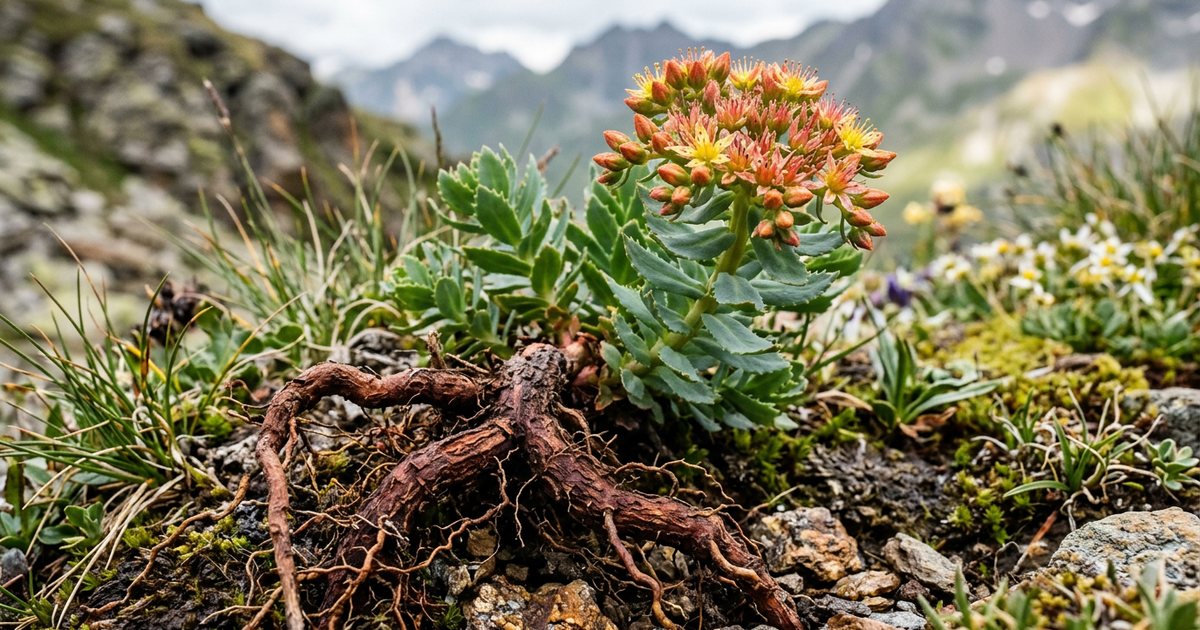
The journey of a Rhodiola rosea supplement begins with the careful sourcing and harvesting of its roots. Rhodiola rosea thrives in cold, high-altitude regions, such as those found in Siberia and other parts of Asia and Europe. The quality of the raw material is paramount, as the active compounds are concentrated in the root system.
Sustainable harvesting practices are crucial to ensure the long-term availability of Rhodiola rosea. This often involves collecting roots from mature plants, allowing younger plants to continue growing, and respecting local ecosystems. The time of harvest can also influence the concentration of beneficial compounds within the root.
After harvesting, the roots are typically cleaned to remove soil and debris. This initial cleaning step is vital for preparing the raw material for further processing and helps to maintain the purity of the final product.

Drying and Preparation of Raw Material
Once harvested and cleaned, the Rhodiola rosea roots undergo a drying process. Proper drying is essential to prevent mold growth, reduce moisture content, and preserve the integrity of the plant’s compounds. Various drying methods can be employed, including air drying, oven drying, or freeze-drying, each with its own advantages and considerations for maintaining quality.

After drying, the roots are often cut or ground into smaller pieces or a coarse powder. This preparation increases the surface area, which is beneficial for the subsequent extraction steps. The consistency of this prepared raw material is important for standardized extraction procedures.
The Extraction Process: Isolating Bioactive Compounds
The extraction process is a critical stage in rhodiola manufacturing, as it aims to isolate the beneficial bioactive compounds from the plant material. These compounds include rosavins (rosavin, rosarin, rosin) and salidroside, which are often standardized in Rhodiola rosea extracts. Research has explored various extraction methods, including the use of natural deep eutectic solvents to obtain bioactive components from Rhodiola rosea [1].
Traditional extraction methods often involve using solvents like water or ethanol to draw out the desired compounds. The choice of solvent, temperature, pressure, and duration of extraction all play a role in the efficiency and selectivity of the process. Modern techniques may also employ more advanced methods to optimize the yield and purity of the extract.
The goal of extraction is to create a concentrated extract that contains a consistent level of key active compounds. This standardization is important for product consistency and for ensuring that each dose delivers a predictable amount of beneficial constituents. For instance, standardized extracts of Rhodiola rosea roots have been used in studies investigating stress-related fatigue [2][3].
Concentration and Standardization of the Extract
Following extraction, the liquid extract is typically concentrated to remove the solvent and create a more potent product. This concentration step results in a thicker liquid or a solid extract. Further processing often involves drying this concentrated extract into a fine powder.
Standardization is a crucial aspect of producing a high-quality Rhodiola rosea supplement. It involves analytically measuring and adjusting the levels of key active compounds, primarily rosavins and salidroside, to ensure that each batch of extract contains a consistent percentage. This allows for reliable dosing and helps ensure that consumers receive a product with a predictable profile of compounds.

Reputable manufacturers will provide information on the standardization of their Rhodiola rosea extracts, often indicating the percentage of rosavins and salidroside. This transparency is a key indicator of product quality and allows individuals to make informed choices about their supplements.
Encapsulation and Quality Control
The standardized Rhodiola rosea extract powder is then ready for encapsulation. This involves filling capsules with a precise amount of the extract. The capsules themselves can be made from various materials, such as gelatin or plant-based cellulose, to suit different dietary preferences.
Throughout the entire rhodiola manufacturing process, rigorous quality control measures are essential. This includes testing the raw materials for purity and potency, monitoring the extraction and concentration steps, and finally, testing the finished product. Quality control checks often include verifying the identity of the plant material, confirming the absence of contaminants like heavy metals or pesticides, and ensuring the accurate dosage of active compounds.
These quality control steps help to ensure that the final Rhodiola rosea supplement is safe, pure, and delivers the intended amount of active ingredients. Consumers seeking Rhodiola rosea supplements may wish to look for products from manufacturers who emphasize comprehensive quality testing.
References
- Application of Natural Deep Eutectic Solvents for Extraction of Bioactive Components from Rhodiola rosea (L.). Molecules (Basel, Switzerland), 2023
- A randomised, double-blind, placebo-controlled, parallel-group study of the standardised extract shr-5 of the roots of Rhodiola rosea in the treatment of subjects with stress-related fatigue. Planta medica, 2009
- Rhodiola rosea in stress induced fatigue–a double blind cross-over study of a standardized extract SHR-5 with a repeated low-dose regimen on the mental performance of healthy physicians during night duty. Phytomedicine : international journal of phytotherapy and phytopharmacology, 2000
These statements have not been evaluated by the Food and Drug Administration. This information is not intended to diagnose, treat, cure, or prevent any disease. Content is for informational purposes only and is not medical advice; consult a qualified healthcare provider before starting any supplement. As an Amazon Associate we earn from qualifying purchases.
