For women navigating midlife and menopause, understanding how various supplements might interact with existing health conditions, such as autoimmune diseases, is a key consideration. Rhodiola rosea is an adaptogenic herb that has garnered interest for its potential to support the body’s response to stress.
When considering rhodiola rosea, especially with an autoimmune condition, it’s essential to look at the available evidence carefully. This article will explore what current research suggests regarding rhodiola rosea and autoimmune responses, emphasizing the importance of caution and informed decision-making due to the limited evidence.
Understanding Autoimmune Conditions
Autoimmune conditions occur when the body’s immune system mistakenly attacks its own healthy tissues. This can lead to a wide range of symptoms and affect various parts of the body, including joints, skin, and organs. Managing autoimmune conditions often involves a complex approach, and individuals frequently seek ways to support their overall well-being.
The immune system’s delicate balance is crucial in autoimmune diseases. Any substance that influences immune activity needs to be approached with thoughtful consideration, particularly for individuals in midlife and menopause who may experience shifts in immune function.
Rhodiola Rosea: An Adaptogen and Immune Modulation
Rhodiola rosea is known as an adaptogen, meaning it may help the body adapt to various stressors. Its potential effects on the immune system have been an area of scientific exploration. While adaptogens are generally considered to help normalize bodily functions, their specific impact on an overactive immune system, as seen in autoimmune conditions, requires careful investigation.
Some components within rhodiola rosea, such as salidroside, have been studied for their potential to influence immune responses. Understanding these mechanisms is important when considering rhodiola’s use in the context of autoimmune conditions.


Current Research: Early Findings on Rhodiola and Autoimmunity
Research into rhodiola rosea’s interaction with autoimmune processes is still in its early stages, primarily involving animal models. These studies provide initial insights but do not directly translate to human experiences or clinical recommendations.
One study explored the effects of Rhodiola rosea on experimental autoimmune encephalomyelitis (EAE), an animal model for multiple sclerosis. This research suggested that Rhodiola rosea might help ameliorate EAE [1]. This indicates a potential influence on immune pathways involved in this specific autoimmune model.
Another investigation focused on salidroside, a compound found in rhodiola rosea, and its impact on experimental autoimmune neuritis (EAN), an animal model for Guillain-Barré syndrome. This study indicated that salidroside might improve EAN by dually modulating neuroinflammation and immune homeostasis via PI3K/AKT signaling [2]. These findings, while promising, are from animal research and do not confirm similar effects in humans.

What the Limited Evidence Means for Women with Autoimmune Conditions
The existing evidence, derived from animal models, suggests that rhodiola rosea, or its components, may have a modulatory effect on certain aspects of the immune system relevant to autoimmune conditions. However, it is crucial to emphasize that these are preliminary findings. Animal studies are a foundational step in research, but human clinical trials are necessary to determine safety, efficacy, and appropriate dosages for people.
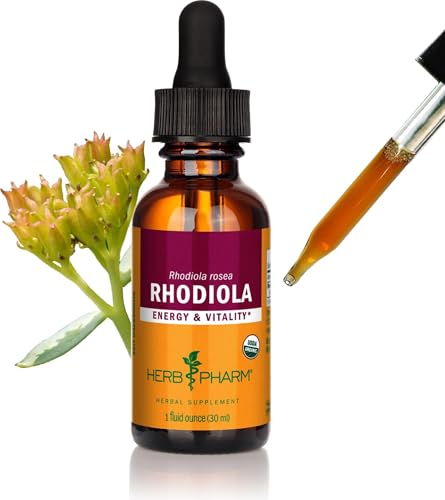
For women navigating midlife and menopause with an autoimmune condition, this limited evidence means that while the concept is intriguing, rhodiola rosea is not a proven intervention for managing autoimmune diseases. The immune system is incredibly complex, and how an adaptogen might interact with different autoimmune conditions (e.g., rheumatoid arthritis, lupus, Hashimoto’s thyroiditis) could vary significantly and is not yet understood.
Without human trials, it’s impossible to predict how rhodiola rosea might affect the progression of an autoimmune condition, interact with prescribed medications, or influence disease activity in individuals. Therefore, a cautious approach is strongly recommended.
Considering Interactions and Individual Responses
Women with autoimmune conditions often take various medications to manage their symptoms and disease progression. The potential for rhodiola rosea to interact with these medications is an important consideration. For example, if rhodiola does influence immune pathways, it could theoretically interact with immunosuppressants or other immune-modulating drugs. However, specific interaction data in humans is lacking.
Individual responses to supplements can also vary greatly, even among people without underlying health conditions. For someone with an autoimmune disease, introducing a new supplement without professional guidance could potentially lead to unforeseen effects, including exacerbating symptoms or interfering with established treatment plans. The hormonal shifts experienced during midlife and menopause could also influence how the body responds to supplements, adding another layer of complexity.
References
- Amelioration of experimental autoimmune encephalomyelitis by Rhodiola rosea, a natural adaptogen. Biomedicine & pharmacotherapy = Biomedecine & pharmacotherapie, 2020
- Salidroside ameliorates experimental autoimmune neuritis by dually modulating neuroinflammation and immune homeostasis via PI3K/AKT signaling. Neurotherapeutics : the journal of the American Society for Experimental NeuroTherapeutics, 2026
These statements have not been evaluated by the Food and Drug Administration. This information is not intended to diagnose, treat, cure, or prevent any disease. Content is for informational purposes only and is not medical advice; consult a qualified healthcare provider before starting any supplement. As an Amazon Associate we earn from qualifying purchases.
