For women navigating midlife and menopause, incorporating supplements like Rhodiola rosea into a wellness routine can be a personal choice. When the time comes to discontinue any supplement, understanding how to do so thoughtfully is important.
This article provides information on how to approach stopping Rhodiola rosea, focusing on strategies like tapering and what current research, though limited, suggests regarding potential changes during this period.
Understanding Rhodiola Rosea and Its Potential Effects
Rhodiola rosea is an adaptogenic herb that has been explored for its potential influence on various bodily systems. For some individuals, it is incorporated into their routine with the aim of supporting overall well-being during periods of change, such as midlife and menopause.
It’s important to recognize that the body can adapt to regular intake of substances, and this can sometimes mean that discontinuing them might lead to a period of adjustment. While no human study has examined what happens when people stop taking Rhodiola rosea, understanding general principles of supplement discontinuation can be helpful.

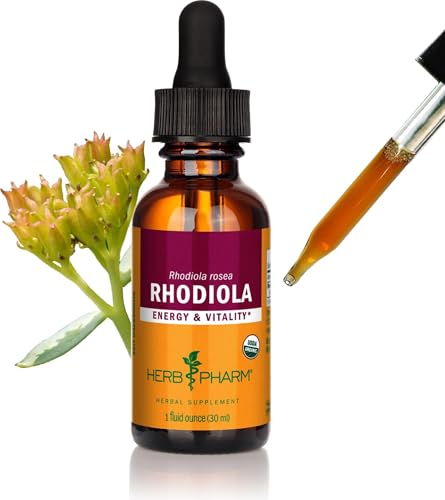
Why Consider Tapering When You Stop Rhodiola Safely?
Tapering involves gradually reducing the amount of a substance over time, rather than stopping abruptly. This approach is often recommended when discontinuing supplements or medications to allow the body to adjust more gently. The goal of tapering is to minimize potential discomfort as your system adapts to the absence of the supplement.
While direct evidence on tapering Rhodiola rosea in humans is limited, animal studies have explored Rhodiola’s potential influence on withdrawal-like signs associated with other substances. For example, research suggests that Rhodiola rosea may play a role in attenuating nicotine withdrawal signs in rats [1] and mice [2]. Another study indicated that Rhodiola rosea extract and its compound salidroside antagonized aspects of nicotine place preference in mice [3]. These findings, while not directly related to Rhodiola discontinuation, suggest that Rhodiola can interact with neural pathways, which might imply a period of adjustment when discontinuing.
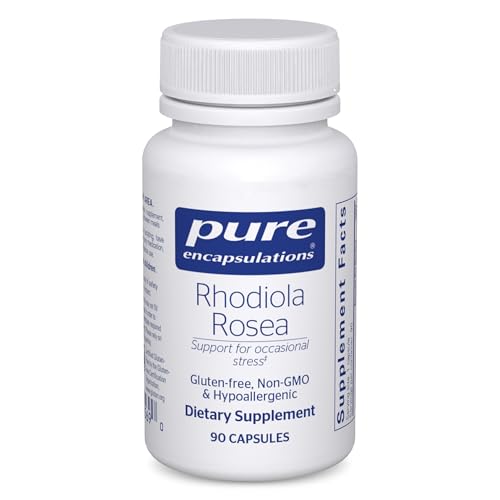
A Gentle Tapering Strategy for Rhodiola Rosea
Given the limited specific guidance on discontinuing Rhodiola rosea, a gradual tapering approach is generally a sensible option. This allows your body’s systems to slowly re-regulate without the presence of the herb.
A common tapering strategy involves reducing your current dosage by a small percentage (e.g., 25-50%) for a period, typically a week or two, before further reducing the dose. For instance, if you are taking a capsule twice daily, you might reduce to one capsule twice daily for a week, then one capsule once daily for another week, before stopping completely. The exact duration of the taper can be adjusted based on how you feel. Some individuals may prefer a slower taper, extending over several weeks, especially if they have been taking Rhodiola for an extended period or at a higher dose.

Listen to your body throughout this process. If you experience notable changes or discomfort, you might consider slowing down the tapering schedule further or discussing your plan with a healthcare professional.
What to Potentially Expect: Limited Evidence
Because no human study has looked at Rhodiola rosea discontinuation, it is difficult to predict specific experiences. However, based on the general understanding of how the body adjusts to changes, some individuals might notice subtle shifts as their system adapts to the absence of Rhodiola.
These potential changes could be highly individual and might include mild alterations in energy levels, mood, or focus, similar to the reasons some individuals choose to take Rhodiola in the first place. It is important to emphasize that these are not ‘withdrawal symptoms’ in the clinical sense, but rather the body re-establishing its baseline without the influence of the supplement. The animal studies mentioned previously, which showed Rhodiola’s influence on nicotine withdrawal signs [1][2], suggest that Rhodiola can impact neurochemical pathways. While this doesn’t predict human discontinuation effects, it underscores the importance of a gradual approach.

Supporting Your Body During Discontinuation
As you taper off Rhodiola rosea, maintaining a supportive lifestyle can be beneficial. Prioritizing adequate sleep, engaging in regular physical activity, and consuming a balanced diet rich in whole foods can help your body adapt. Stress management techniques, such as mindfulness, meditation, or spending time in nature, can also be helpful during any period of adjustment.
Hydration is always important for overall health, and ensuring you are drinking enough water can support your body’s natural processes. Focusing on these foundational aspects of well-being can contribute to a smoother transition as you stop taking Rhodiola.
When to Seek Professional Guidance
While discontinuing Rhodiola rosea is generally considered a straightforward process for most, it’s always prudent to consult with a healthcare professional, especially if you have any underlying health conditions or are taking other medications. They can offer personalized advice based on your individual health profile.
If you experience any significant or concerning changes in your well-being during or after discontinuing Rhodiola, it is important to seek medical attention. Your doctor can help determine the cause of your symptoms and provide appropriate guidance.
References
- Serotonin involvement in Rhodiola rosea attenuation of nicotine withdrawal signs in rats. Phytomedicine : international journal of phytotherapy and phytopharmacology, 2012
- Evaluation of Rhodiola rosea L. extract on affective and physical signs of nicotine withdrawal in mice. Journal of psychopharmacology (Oxford, England), 2011
- Rhodiola rosea L. extract and its active compound salidroside antagonized both induction and reinstatement of nicotine place preference in mice. Psychopharmacology, 2014
These statements have not been evaluated by the Food and Drug Administration. This information is not intended to diagnose, treat, cure, or prevent any disease. Content is for informational purposes only and is not medical advice; consult a qualified healthcare provider before starting any supplement. As an Amazon Associate we earn from qualifying purchases.
