Ready to buy? Check current prices on Amazon and compare deals before you decide.
As you navigate the dynamic landscape of your 30s, 40s, and 50s, perhaps you’ve noticed the subtle yet persistent shifts: the stress feels heavier, mental clarity sometimes wavers, and the energy you once took for granted seems to ebb and flow unpredictably. You’re not alone in seeking natural support to maintain your resilience and vitality during these years, often marked by hormonal transitions like perimenopause. Rhodiola rosea, a renowned adaptogen, frequently emerges in these conversations, promising to help your body adapt to stress.
But with so much information available, a crucial question remains: what is the right Rhodiola rosea dosage for you? Understanding how much to take, when to take it, and key safety considerations is paramount to harnessing its benefits effectively and responsibly. This article aims to provide a comprehensive, evidence-based guide to Rhodiola rosea dosage in 2026, tailored for women like you seeking clarity and reliable information.
Please note: This article contains affiliate links. If you make a purchase through these links, RhodiolaHub may earn a small commission at no extra cost to you. This helps support our independent research and content creation.
Understanding Rhodiola Rosea: The Adaptogen Advantage
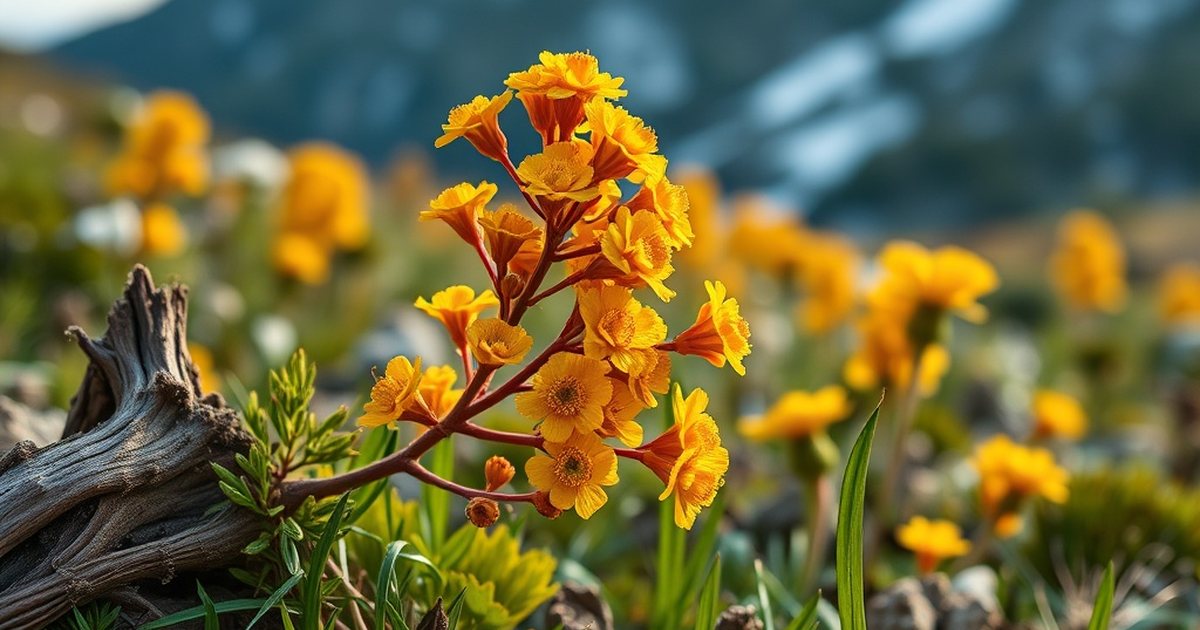
Rhodiola rosea, often called “golden root,” is a perennial flowering plant native to cold, mountainous regions of Europe and Asia. Its roots contain a unique complex of bioactive compounds, primarily rosavins and salidroside, believed to be responsible for its adaptogenic properties.
Adaptogens are a unique class of botanicals that help the body adapt to various stressors, whether physical, chemical, or biological, by promoting homeostasis. Instead of directly stimulating or sedating, Rhodiola helps normalize physiological functions, enhancing your body’s non-specific resistance to stress.
Key Bioactive Compounds and Standardization: Why SHR-5 Matters
When selecting a Rhodiola rosea supplement, the standardization of its active compounds is crucial. The primary active constituents are rosavins (rosavin, rosin, rosarin) and salidroside.
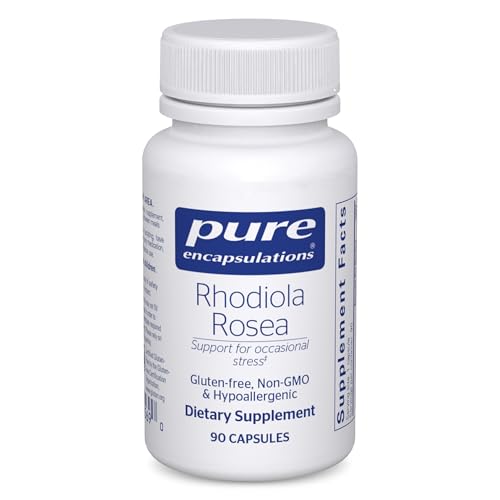
Most reputable Rhodiola extracts are standardized to contain a specific ratio of these compounds, typically 3% rosavins and 1% salidroside. This specific ratio is often associated with the patented extract known as Rhodiola rosea SHR-5, which has been used in many of the foundational human clinical trials.
Ensuring your supplement lists these percentages on the label is vital for consistency and efficacy, as products without standardization may have variable potencies.
General Rhodiola Rosea Dosage Guidelines for Stress and Fatigue
Research on Rhodiola rosea for stress and fatigue often uses dosages ranging from 100 mg to 600 mg per day. The optimal dose can depend on the specific extract, the concentration of active compounds, and the condition being addressed.

For general stress reduction and combating mental fatigue, most trials sit in the 200 mg to 600 mg per day range for a standardized extract (3% rosavins, 1% salidroside). Two of them are worth knowing by name. A randomised, double-blind, placebo-controlled trial in 161 cadets gave a single dose of SHR-5 extract and measured a statistically significant antifatigue effect on mental work capacity [1]. Separately, a double-blind crossover trial in 56 physicians on night duty used a repeated low-dose regimen — roughly 170 mg a day — and improved a composite index of mental performance over two weeks [2]. Note what neither shows: a specific 200 mg daily dose proven optimal.
At the higher end, a randomised, double-blind, placebo-controlled trial in 60 people with stress-related fatigue used 576 mg a day of SHR-5 extract [3]. More is not automatically better, and that is not a hunch: the cadet trial tested a second dose 50% higher than the standard one and found no significant advantage, with a possible trend favouring the lower dose on the psychometric tests [1]. Starting low and holding there is the defensible read of this evidence.
Starting Dosage and Titration
If you are new to Rhodiola, it’s generally advisable to start with a lower dose, such as 100-200 mg per day, and gradually increase it if needed and well-tolerated. This allows your body to adjust and helps you assess your individual response.
Listen to your body and observe any changes in energy levels, mood, or stress perception. Most human studies are relatively short-term, typically lasting from a few weeks to a few months.
Rhodiola for Women: Perimenopause and Hormonal Transitions
The perimenopausal years bring a unique set of challenges, including fluctuating hormones, increased stress sensitivity, and potential shifts in mood and energy. While direct, large-scale RCTs specifically on Rhodiola and perimenopausal symptoms are still emerging, its adaptogenic properties offer promising support for these common complaints.
By helping the body manage stress responses, Rhodiola may indirectly support a more balanced hormonal environment and mitigate symptoms like fatigue, mood swings, and difficulty concentrating that often accompany perimenopause. Its influence on neurotransmitters like serotonin, dopamine, and norepinephrine can contribute to improved mood and cognitive function.
For women navigating perimenopause, a dosage in the range of 200-400 mg daily of a standardized extract (3% rosavins, 1% salidroside) is a reasonable starting point, consistent with general recommendations for stress and fatigue. Always consult with your healthcare provider, especially if you are taking hormone replacement therapy or other medications.
When to Take Rhodiola Rosea: Timing for Optimal Effects
The timing of your Rhodiola dose can influence its effectiveness. Because Rhodiola can have a mild stimulating effect, many individuals find it best to take it in the morning or early afternoon.
Taking Rhodiola on an empty stomach, approximately 30 minutes before a meal, is often recommended for better absorption. Some people choose to split their daily dose, taking half in the morning and half at midday, particularly for higher daily totals.
Avoid taking Rhodiola too late in the day, especially if you are sensitive to stimulants, as it could potentially interfere with sleep. Observe how your body responds to different timings and adjust accordingly.
Cycling Rhodiola: Is It Necessary?
While Rhodiola is generally considered safe for continuous use, some adaptogen users choose to cycle their intake. Cycling involves taking the supplement for a period (e.g., 6-12 weeks) and then taking a break (e.g., 1-2 weeks) before resuming.
The rationale behind cycling adaptogens is often to prevent the body from becoming “too accustomed” to the herb, theoretically maintaining its responsiveness. However, there is limited scientific consensus or strong evidence to definitively prove the necessity or benefits of cycling Rhodiola.
Most human studies on Rhodiola have been short-term. If you plan for long-term use, discussing cycling with your healthcare provider is a sensible approach.
Rhodiola Rosea Dosage & Cost Calculator
Based on the labeled dose options for Gaia Herbs Rhodiola Rosea 120mg and the published 120-count bottle at $49.49.
Open the full dosage & cost calculator →
Estimate only – based on the current listed price of the 120-count Gaia Herbs Rhodiola Rosea 120mg bottle. Actual Amazon price can change; check the live price before buying.
Why no height/weight input? Unlike per-kg supplements (creatine, protein), Rhodiola Rosea has no published bodyweight-adjusted dosing in the research behind it. This calculator doesn't fabricate a per-kg formula that doesn't exist in the literature.
Get Gaia Herbs Rhodiola Rosea 120mg on Amazon(paid link) As an Amazon Associate we earn from qualifying purchases.
Rhodiola Rosea Safety Notes and Potential Side Effects
Rhodiola rosea is generally well-tolerated by most individuals, with a low incidence of side effects reported in clinical trials. However, like any supplement, it’s not without potential considerations.
Commonly reported, though infrequent, side effects include mild dizziness, dry mouth, or difficulty sleeping if taken too late in the day. Some individuals may experience stomach upset, nervousness, or irritability, particularly with higher doses.
Drug Interactions
Rhodiola may interact with certain medications. It can potentially enhance the effects of antidepressant medications, particularly MAO inhibitors, and could theoretically increase the risk of serotonin syndrome. The documented mechanism is enzyme inhibition: a randomized cross-over study found that 14 days of a commercial rhodiola product cut CYP2C9 activity in healthy volunteers by 21%, measured using losartan, a blood pressure medication, as the probe drug, and the authors flagged that as potentially relevant for narrow-therapeutic-index CYP2C9 drugs such as warfarin[4]. Two rhodiola constituents, rhodiosin and rhodionin, also inhibit CYP2D6[5]. No published study has tested rhodiola against drugs that suppress the immune system, so that combination is untested rather than known to be risky.
Always consult your doctor or pharmacist before starting Rhodiola, especially if you are taking any prescription medications or have pre-existing health conditions like bipolar disorder, as Rhodiola may exacerbate manic episodes.
Contraindications
Pregnant or breastfeeding women should avoid Rhodiola due to a lack of sufficient safety data. Individuals with known allergies to plants in the Crassulaceae family should also exercise caution.
Comparing Rhodiola Rosea with Other Adaptogens
While Rhodiola is a powerful adaptogen, it’s one of many. Each adaptogen has a slightly different profile and may be more suited to specific needs. Here’s a brief comparison:
| Adaptogen | Primary Focus | Typical Dosage (Standardized Extract) | Key Considerations |
|---|---|---|---|
| Rhodiola Rosea | Stress-induced fatigue, mental performance, physical endurance, mood | 200-600 mg/day (3% rosavins, 1% salidroside) | Mildly stimulating, best taken in the morning/midday. |
| Ashwagandha | Anxiety reduction, chronic stress, sleep support, adrenal health | 300-600 mg/day (5% withanolides) | Generally calming, often taken in the evening. |
| Siberian Ginseng (Eleuthero) | Physical stamina, immune support, cognitive function | 200-400 mg/day (0.8% eleutherosides) | Good for sustained energy, less stimulating than Rhodiola. |
| Panax Ginseng | Energy, cognitive enhancement, immune function | 200-400 mg/day (4-7% ginsenosides) | Can be more stimulating; careful with high blood pressure. |
Finding Quality Rhodiola Rosea Supplements (Affiliate Section)
When searching for a Rhodiola rosea supplement, prioritize quality and transparency. Look for products that clearly state the percentage of active compounds.
Specifically, seek out supplements standardized to 3% rosavins and 1% salidroside, often indicative of the well-researched SHR-5 extract. Consider brands that provide third-party testing for purity and potency to ensure you are getting exactly what the label promises.
You can find a variety of reputable options by searching for “Rhodiola rosea standardized extract,” “Rhodiola rosea SHR-5,” or “organic Rhodiola supplements” on major online retailers.

Conclusion
Rhodiola rosea offers a compelling natural approach to building stress resilience, combating mental and physical fatigue, and supporting overall well-being, particularly for women navigating hormonal shifts. By understanding the importance of standardized extracts, appropriate dosages, and proper timing, you can effectively integrate this powerful adaptogen into your wellness routine.
Always remember that individual responses can vary, and consulting with a healthcare professional before starting any new supplement is the best way to ensure it aligns with your specific health needs and circumstances.
Frequently Asked Questions (FAQ)
How long does it take for Rhodiola rosea to work?
Many individuals report noticeable effects, such as reduced fatigue and improved focus, within a few days to a few weeks of consistent use. For more profound adaptogenic benefits, a period of 4-6 weeks may be needed.
Can I take Rhodiola rosea every day?
Yes, Rhodiola rosea is generally considered safe for daily use. Some users choose to cycle it, but there isn’t strong scientific evidence to mandate cycling. Consult your healthcare provider for long-term use.
Is Rhodiola rosea good for anxiety?
Rhodiola’s adaptogenic properties can help the body manage stress and reduce stress-induced anxiety. While not a direct anxiolytic, it can contribute to a calmer state by normalizing stress responses. For clinical anxiety, consult a healthcare professional.
Can Rhodiola rosea help with weight loss?
While Rhodiola is not a primary weight loss supplement, by reducing stress and fatigue, it might indirectly support healthy lifestyle choices that contribute to weight management. Stress can impact metabolism and cravings, so managing it can be beneficial.
What is the difference between Rhodiola rosea and other ginsengs?
Rhodiola rosea is an adaptogen with its own unique active compounds (rosavins, salidroside). While Panax ginseng and Siberian ginseng (eleuthero) are also adaptogens, they contain different active compounds (ginsenosides, eleutherosides) and have slightly different energetic profiles and primary uses. All aim to help the body adapt to stress.
Can men also take Rhodiola rosea?
Absolutely. While this article focuses on women, the benefits of Rhodiola rosea for stress resilience, fatigue, and mental performance apply equally to men. The dosage guidelines and safety considerations are generally the same.
These statements have not been evaluated by the FDA. This product is not intended to diagnose, treat, cure, or prevent any disease.

References
- A randomized trial of two different doses of a SHR-5 Rhodiola rosea extract versus placebo and control of capacity for mental work. Phytomedicine, 2003
- Rhodiola rosea in stress induced fatigue — a double blind cross-over study of a standardized extract SHR-5 with a repeated low-dose regimen on the mental performance of healthy physicians during night duty. Phytomedicine, 2000
- A randomised, double-blind, placebo-controlled, parallel-group study of the standardised extract SHR-5 of the roots of Rhodiola rosea in the treatment of subjects with stress-related fatigue. Planta Medica, 2009
- Effect of commercial Rhodiola rosea on CYP enzyme activity in humans. European Journal of Clinical Pharmacology, 2016
- Two potent cytochrome P450 2D6 inhibitors found in Rhodiola rosea. Pharmazie, 2013
These statements have not been evaluated by the Food and Drug Administration. This information is not intended to diagnose, treat, cure, or prevent any disease. Content is for informational purposes only and is not medical advice; consult a qualified healthcare provider before starting any supplement. As an Amazon Associate we earn from qualifying purchases.
