Navigating perimenopause can bring a range of changes, including shifts in energy levels. Many women seek ways to support their energy without the overstimulation that can come from common stimulants. This article explores Rhodiola rosea, an adaptogen, and its potential role in supporting sustained energy.
Rhodiola rosea has been recognized for its adaptogenic properties, meaning it may help the body adapt to various stressors [1]. Understanding how this plant may influence energy levels, particularly in a way that avoids the ‘jitters,’ can be helpful for those in midlife and perimenopause.
Understanding Adaptogens and Energy Support
Adaptogens are a group of herbs that are thought to help the body maintain balance and adapt to physical and mental stressors [1]. Unlike stimulants that can provide a quick, often short-lived energy boost followed by a crash, adaptogens are believed to work more subtly, supporting the body’s natural resilience over time. Rhodiola rosea is a well-researched adaptogen [1].
The concept behind adaptogens is to support the body’s ability to cope with demands, which can indirectly influence perceived energy levels. This is particularly relevant when considering sustained energy rather than an acute burst. Research suggests that adaptogens may play a role in addressing long-lasting brain fatigue [2].
Rhodiola Rosea and Energy Without Jitters: The Adaptogen Difference
One of the key distinctions of adaptogens like Rhodiola rosea, compared to stimulants such as caffeine, is their different mechanism of action. While caffeine directly stimulates the central nervous system, adaptogens are thought to work by influencing the body’s stress response systems [1]. This difference may contribute to a feeling of sustained energy rather than the rapid onset and potential ‘jitters’ associated with some stimulants.

For women experiencing the fluctuating hormones of perimenopause, maintaining stable energy can be a priority. The aim is often to support natural vitality without adding to feelings of restlessness or anxiety. Rhodiola rosea has been reviewed for its potential to enhance exercise performance, suggesting a broader impact on physical capacity and endurance [3].


Supporting Physical and Mental Resilience with Rhodiola
Energy is not solely about physical stamina; it also encompasses mental alertness and resilience. During perimenopause, cognitive shifts can sometimes occur, making mental clarity and sustained focus valuable. Adaptogens are being explored for their potential to support both cognitive and physical performance simultaneously [4].
Rhodiola rosea’s influence on the body’s ability to adapt to stress may extend to supporting mental endurance. By helping the body manage stress more effectively, it may indirectly contribute to a more consistent experience of energy, both mentally and physically. This could be particularly beneficial for those seeking rhodiola energy without jitters, as it focuses on foundational support rather than direct stimulation.

Rhodiola Rosea in Midlife and Perimenopause: A Measured Approach
The experience of perimenopause is unique for each woman, and energy levels can fluctuate significantly. Incorporating a supplement like Rhodiola rosea can be part of a broader strategy to support well-being during this phase. It’s important to approach supplementation with realistic expectations and to consider it as one component of a healthy lifestyle, which includes balanced nutrition, regular physical activity, and adequate sleep.
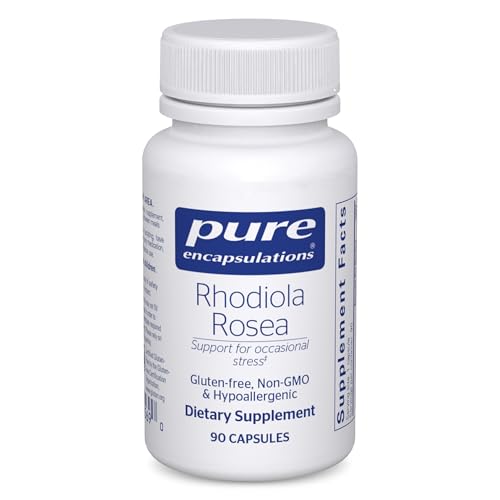
While Rhodiola rosea is recognized as a versatile adaptogen [1], individual responses can vary. The moderate evidence strength for its impact on sustained energy without jitters suggests it may offer support for some individuals. It is not intended to replace other healthy habits or medical guidance.
Dosage and Safety Considerations
When considering Rhodiola rosea, adhering to recommended dosages is important. Information on specific dosages for energy support can vary depending on the product and individual needs. Always follow the instructions on the supplement label or consult with a qualified healthcare professional.
Rhodiola rosea is generally considered well-tolerated, but like any supplement, it can have potential interactions or side effects for some individuals. It’s crucial to discuss any new supplements with a healthcare provider, especially if you have existing health conditions, are taking other medications, or are pregnant or breastfeeding. This helps ensure that Rhodiola rosea is appropriate for your individual circumstances and supports your goal of rhodiola energy without jitters.
References
- Rhodiola rosea: A Versatile Adaptogen. Comprehensive reviews in food science and food safety, 2005
- Adaptogens in Long-Lasting Brain Fatigue: An Insight from Systems Biology and Network Pharmacology. Pharmaceuticals (Basel, Switzerland), 2025
- Rhodiola rosea as an adaptogen to enhance exercise performance: a review of the literature. The British journal of nutrition, 2024
- The Role of Nootropic Supplements in Sports: Enhancing Cognitive and Physical Performance Simultaneously. Food science & nutrition, 2026
These statements have not been evaluated by the Food and Drug Administration. This information is not intended to diagnose, treat, cure, or prevent any disease. Content is for informational purposes only and is not medical advice; consult a qualified healthcare provider before starting any supplement. As an Amazon Associate we earn from qualifying purchases.
